Understand the Parts
Learn how keeping clean spaces apart, sewage removal, surface treatment, and drying shape the work.
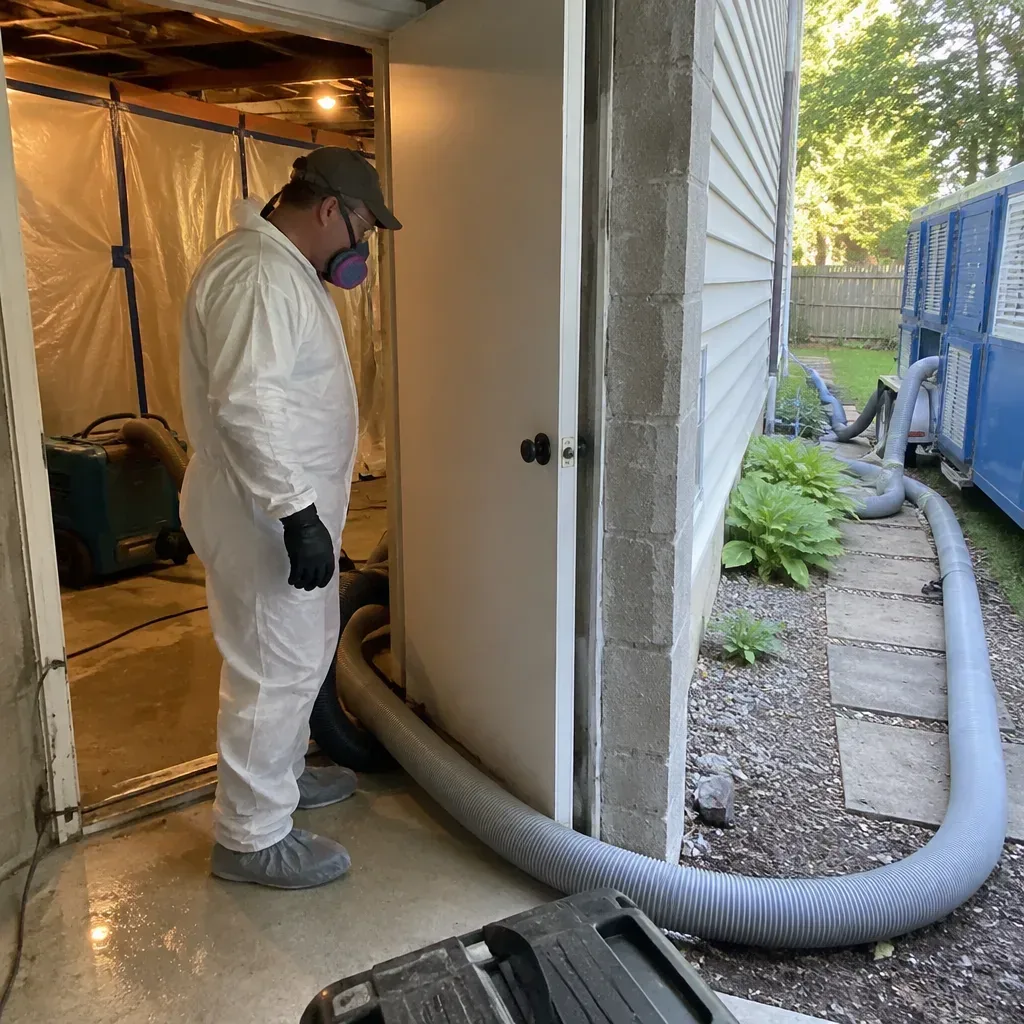
Use this site to reach the pros we connect you with, then get appointment details from the provider: each works independently, and this site employs no cleanup workers. In Lawrence, city wastewater information describes public infrastructure; it does not set a provider’s schedule. Photos of the affected area can help you explain what needs attention when you contact the licensed pros we connect you with. A map label like Little River, or a nearby city name such as Haverhill or Lowell, cannot confirm a provider’s current reach.
In Lawrence, the cleanup question is what sewage reached and what it touched. The pros we connect you with work independently; this site has no employees doing cleanup. A provider can assess the affected rooms, keep the work area apart from cleaner spaces, and remove sewage and materials that cannot be safely cleaned. Remaining surfaces need cleaning and disinfection, followed by drying of damp building materials. A plumber handles finding or repairing the backup source, which is separate from restoring the interior.
When you contact the referral line, give your Lawrence address and say whether a plumber has already traced or repaired the source. That helps keep two tasks distinct: a plumber handles the sewer line, while cleanup pros address contamination inside the building. Ask how they separate the affected area from clean rooms, remove sewage and contaminated porous items, disinfect surfaces, treat odor, and dry damp parts of the structure. Moisture can soak into building materials even after visible water has been removed. Porous belongings can hold contamination even when nearby hard surfaces look clean.
Lawrence documents sanitary and combined sewer infrastructure, with storm-related overflows in the system. Wet weather can add stormwater to combined sewers and strain their capacity, but that citywide context cannot tell you why sewage appeared at a particular address or whether it came from a sewer backup. Haverhill and Lowell also publish sewer-system information; those records do not establish conditions inside a Lawrence home. Note which rooms and belongings were affected so the cleanup scope can address them.
Before authorizing work in Lawrence, ask the pro to walk through the proposed scope: what will be extracted, discarded, cleaned, disinfected, treated for odor, and dried. Find out whether the assessment has a fee, how additional work would be approved, and which charges are separate. Request the scope in writing, along with photos or records of affected materials and completed steps for your files. Such documentation may help with an insurance claim, but your policy determines whether any work is covered.
Before the visit, settle practical details with the independent pro for your Lawrence address: arrival window, entry arrangements, and who will handle each part of the job. Ask how belongings near the work area should be handled and what happens if the assessment finds more affected material than expected. Confirm how you will receive the written scope and cleanup records, and whom to contact with questions afterward. Ask what steps will protect unaffected rooms while damaged materials are being removed.
Choose the guide that matches your concern, then review the rooms, proposed tasks, and charges with the provider.
Learn how keeping clean spaces apart, sewage removal, surface treatment, and drying shape the work.
The guide can also explain why cleanup may involve more than removing visible water.
Ask the provider to define unfamiliar language in the contamination findings, cleanup description, or structural drying plan.
Note where sewage appeared, which surfaces or items it reached, lingering smells, and damp spots to discuss cleanup.
Ask what cleanup steps may be needed for the materials affected and how the provider will document the work. Check that the documents match the company that would do the work, and ask what the coverage includes. This site introduces homeowners to independent pros; each provider is responsible for answering questions about its own insurance and experience.
This site receives your request and may pass relevant details to independent pros who can respond. The site does not perform cleanup; the provider you choose handles any assessment, work plan, and agreement with you. Include Lawrence and your ZIP code so your request points to the right area. Lawrence and Lowell are separate destinations; Lowell National Historical Park and Boott Cotton Mills Museum identify Lowell, not a Lawrence service address.
After you send the form, the site can use your description to make a referral to independent cleanup pros. If you noticed earlier drain changes, include when they started to describe how the backup developed. You can discuss the next steps and decide whether to arrange an assessment. Sending a request does not itself schedule cleanup or commit you to hiring a provider.
There is no charge to submit a request for a connection through this site. Cleanup work is a separate arrangement between you and the independent provider, who sets any fees for assessment or services. Before agreeing to work, ask what the estimate covers, whether additional work could change the amount, and how the provider will handle sewer line diagnosis or repair, which falls outside cleanup.
The site may share the information needed to help an independent provider respond, such as your location and description of the backup. Give enough detail to identify the affected property and explain the situation, but avoid adding unrelated personal information. A provider may ask follow-up questions directly. You can ask that provider how it handles the details you give it before arranging an assessment or cleanup.
For a Lawrence cleanup, ask the pros we connect you with to explain the sequence from sewage extraction through disposal, surface disinfection, odor treatment, and structural drying. Find out how they will show which work was completed and whether they provide a written record for your files. If you use Shaker Glen or Horn Pond as a map reference, include the property address too; a landmark alone cannot guide an indoor work plan. Coverage and timing should be confirmed directly with the provider.
Call (978) 501-8011