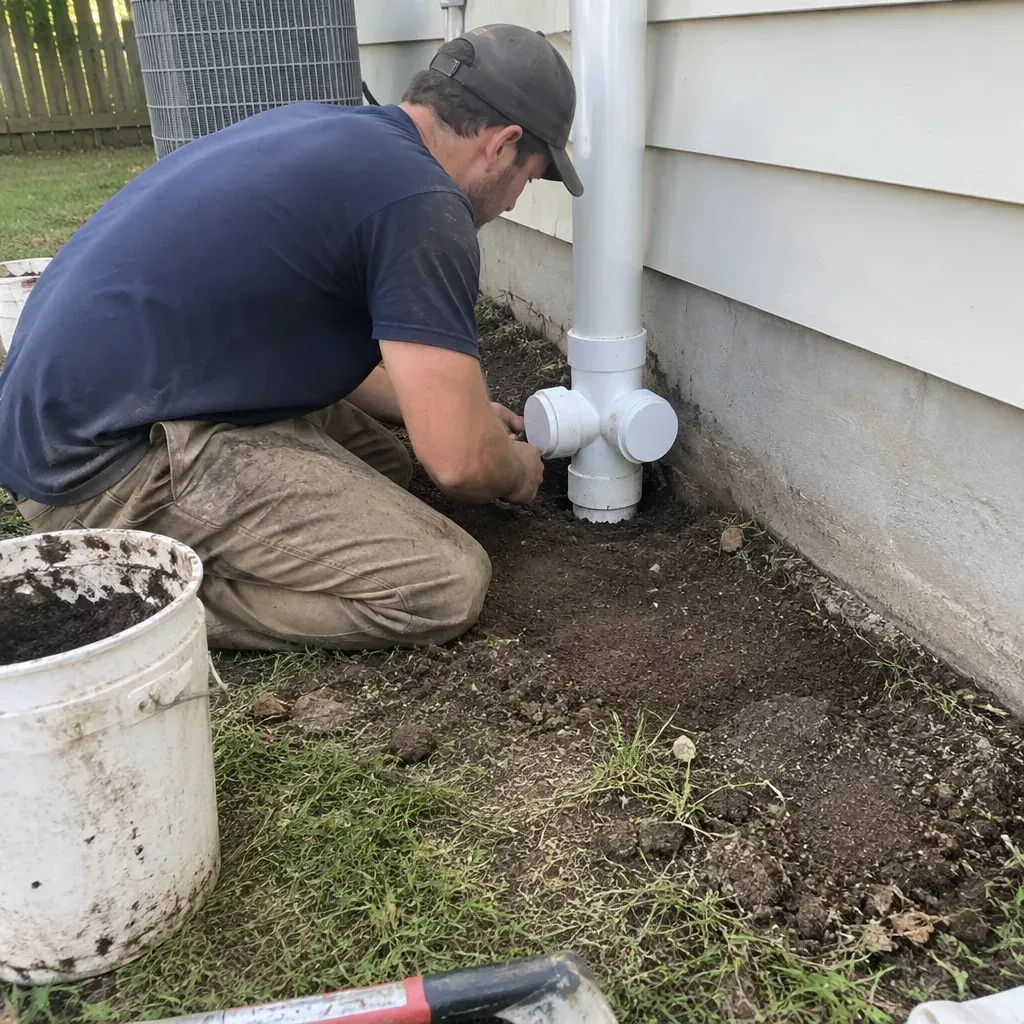
Returning Home
Ask the licensed pros we connect you with how to keep contamination from spreading as you prepare to return. Learn how completed work, inspection findings, drying, and remaining tasks guide reentry.
Read article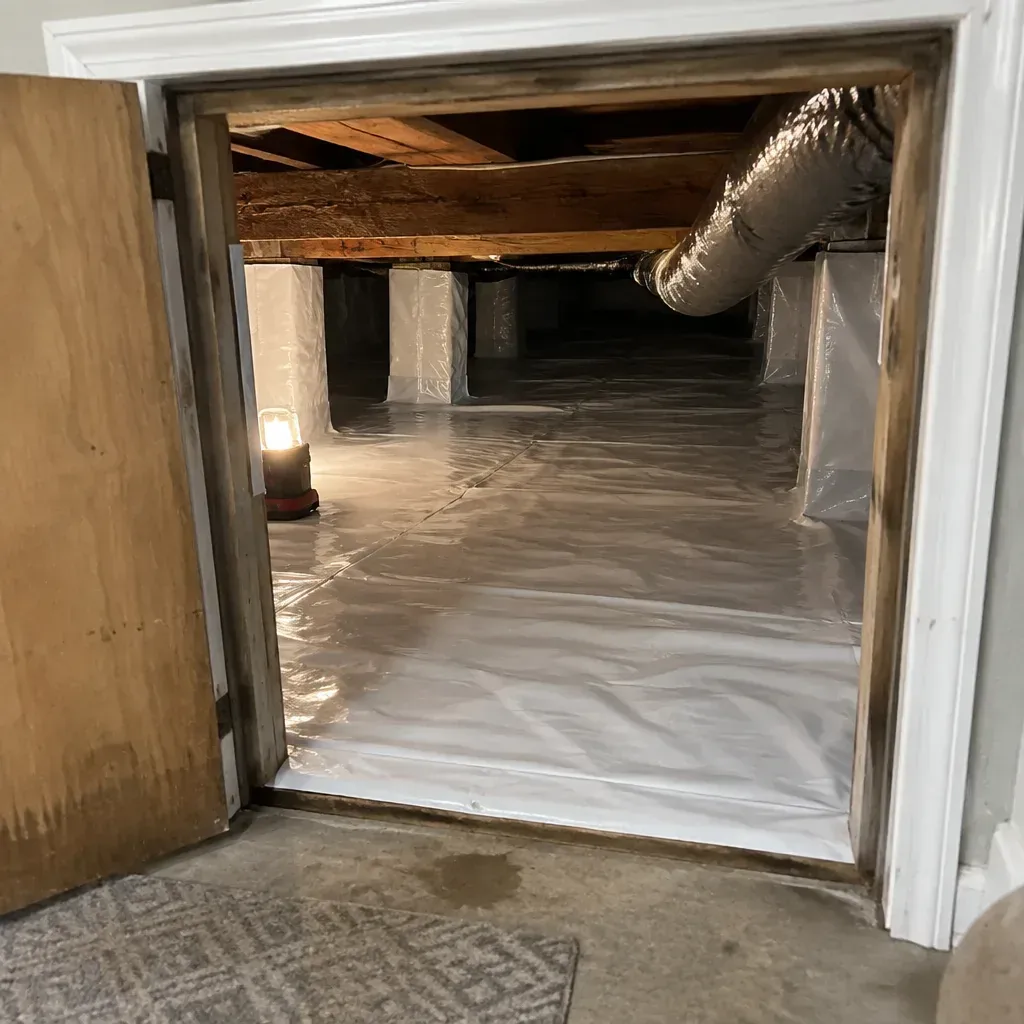
Keep out while sewage is removed and the crawl space is cleaned and dried.
In Lawrence, the Merrimack River and Great Stone Dam reflect the city’s long relationship with water and industry. Its wastewater system includes combined sewer sections, and the city documents storm-related overflows. For you, a crawl-space backup becomes a close-range cleanup problem: sewage may pool on soil or reach materials below the floor. From outside the opening, note visible water or debris and keep people away. Do not climb in to inspect; a cleanup professional can plan how to reach and contain the affected space.
In Lawrence, a crawl space can hide sewage below the floor, where low clearance and framing make the affected area hard to see from above. Contaminated residue can cling to framing and supports beyond the area where water first appeared. Stay out of the space and keep others clear. The pros we connect you with can assess access, contain the work area, extract contaminated water, and determine which materials need removal before cleaning, disinfection, odor treatment, and drying.
Water can seep beneath flooring and into wall cavities, leaving damp materials behind even after pooled water has been removed. Crawl Space Sewage Cleanup cleans affected interiors; Billerica, Haverhill and Lowell lists nearby service locations.
When sewage affects a house, see Sewer Backup Cleanup for household cleanup; property owners handling tenant units or commercial interiors can turn to commercial sewer backup cleanup.
Check the crawl-space entrance from outside. Muddy residue, a wet track, or debris caught at the hatch can show that contaminated water reached the access point, where shoes or tools could carry it farther into the home. Avoid touching the material or stepping across it. The visible mess at the opening may not show what is below, so give the cleanup professional that detail when arranging a safe inspection and controlled removal.
Look for darkened soil, residue on posts, or debris caught around a footing, but do not enter to inspect it. Sewage can spread beneath stored items and into absorbent insulation or wood, so the visible mark may not show the full affected area. Moisture can remain in insulation or wood after contaminated water has been extracted, so affected materials also need to be dried. Keep people and pets away while that assessment and cleanup are underway.
From the crawl-space opening in a Lawrence home, check visually for sewage residue along the foundation, splashed debris, or insulation that has sagged into the work area. These clues matter because absorbent material can hold contamination and may need removal before surfaces are washed. Do not crawl in, move stored items, or handle anything below; tight clearance can make contaminated contact difficult to avoid. The view from the opening may not show every affected surface. The plumber's investigation can help identify what caused the backup.
The professional reviews the crawl space entry, headroom, and visible contamination to plan safe equipment placement and define the work boundary.
Containment limits transfer into clean parts of the home; sewage is extracted and porous debris that cannot be cleaned is taken out.
Porous materials that cannot be reliably cleaned are removed after contaminated water is extracted.
Drying equipment draws moisture from affected framing and subfloor; follow-up checks show where more drying is needed.
Low clearance makes cleanup harder to control: a worker has less room to see around supports, move containers, and reach wet soil without spreading residue. In Lawrence, older homes near Lawrence Heritage State Park may have tight access that shapes how equipment and removed material move through the work area. Keeping the opening isolated helps prevent contaminated debris from being carried into living spaces while the crawl space is cleaned and dried.
Sewage can affect soil and building materials, making it important to assess more than the visible water. That citywide information describes the collection system; it does not establish the sewer arrangement or backup history at your home. For crawl space sewage cleanup, the immediate concern is the contamination inside the structure: isolate the area, remove sewage and affected debris, clean and disinfect surfaces, then dry materials that took on moisture. A plumber can investigate or repair the line or other source if needed.
A nearby landmark does not settle which wastewater system serves an individual property. Whether you are near Winnekenni Park or Little River, confirm the address and responsible sewer authority before drawing conclusions from citywide records. Keep the crawl space isolated during cleanup, since removing contaminated material can disturb residue. Do not install a check or shut-off valve based on guesswork; the proper sewer authority should be consulted first. Cleanup addresses the interior contamination, while a plumber handles source diagnosis or repair.
Crawl Space Sewage Cleanup ranges give Lawrence homeowners an estimate for planning; the pros we connect you with can explain assessment charges and put planned cleanup tasks in writing.
| How Far It Traveled | On-Site Measures | Scope and Labor |
|---|---|---|
| Small residue | Lawrence assessment: define the affected zone and work its condition calls for | an estimated $3,200–$9,000 |
| One affected zone | Include only listed removal, surface cleaning, disinfection, odor care, and drying | an estimated $3,680–$11,700 |
| Multiple cleanup zones | Add newly confirmed impacts to the scope when recorded in the assessment | an estimated $3,200–$9,000 |
| Structure-wide cleanup | Use the agreed assessment to define cleanup; sewer line work remains separate | an estimated $7,680–$36,000 |
Some estimates account for cleanup tasks individually, including material removal, surface treatment, odor control, and structural drying. Rebuilding with longer-lasting materials can add a separate cost. The pricing guide gives you a broader view of how the work and replacement choices affect the total.
Keep the hatch shut and foot traffic away from the entrance. A sewage odor near the hatch may signal contamination below. Tell the cleanup professional whether you can see pooled water, debris, or wet material from outside; that information helps them plan access and equipment. If sewage is still entering, a plumber can check the cause while the cleanup work is coordinated.
The cleanup team checks which items sewage reached and how deeply it soaked in. Saturated insulation or other absorbent material may need to be taken out, while remaining surfaces are cleaned and disinfected. If you can safely photograph damage from outside the work area, keep those images with notes about affected materials; they may help with an insurance claim, depending on your policy.
The pros we connect you with first assess the crawl space opening, clearance, and visible contamination, then set containment to limit transfer into clean rooms. They extract sewage with suitable equipment and remove porous items that cannot be reliably cleaned. Remaining surfaces are cleaned and disinfected, odors are treated after residue is addressed, and affected framing or subfloor is dried. The work sequence depends on what the assessment finds and which materials were affected.
Odor treatment works best when it targets what is producing the smell. A professional can check for remaining residue or damp material, then select treatment suited to the crawl-space surfaces. Fragrance alone can mask an odor without addressing its source. If the smell returns as drying proceeds, tell the cleanup professional so they can check whether moisture or residue still needs attention.
Drying time depends on how much sewage water entered, which materials absorbed moisture, and how air moves through the confined space. Once extraction and cleaning are complete, the pros we connect you with can monitor moisture in affected structural materials and adjust drying as needed. A dry-looking surface does not confirm that framing or the subfloor is ready; follow-up readings help establish when drying is complete.
Cleanup can remove sewage and dry affected materials, but it does not stop a new discharge from happening. If sewage is still entering or the cause has not been checked, arrange for a plumber to examine the drainage source. Let the cleanup professional know when the flow has stopped so extraction and drying can be planned around the conditions in the crawl space.
Drying addresses moisture that remains in the structure after sewage damage. $3,200–$9,000 for this work.
See how surface disinfection, odor control, and structural drying address different cleanup needs.
Ask the licensed pros we connect you with how to keep contamination from spreading as you prepare to return. Learn how completed work, inspection findings, drying, and remaining tasks guide reentry.
Read article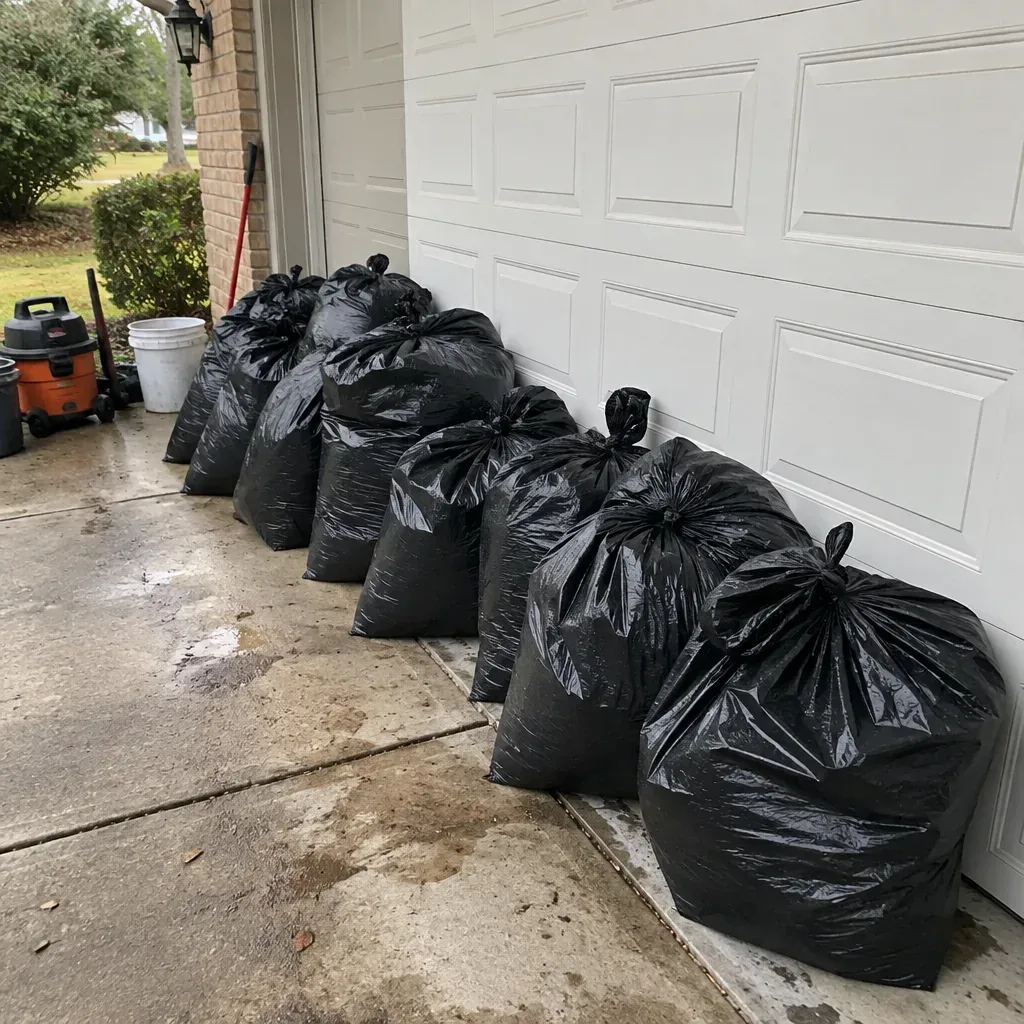
How soon can a sewage cleanup provider reach a Lawrence home? Learn what to report, what may affect scheduling, and what to confirm while waiting.
Read article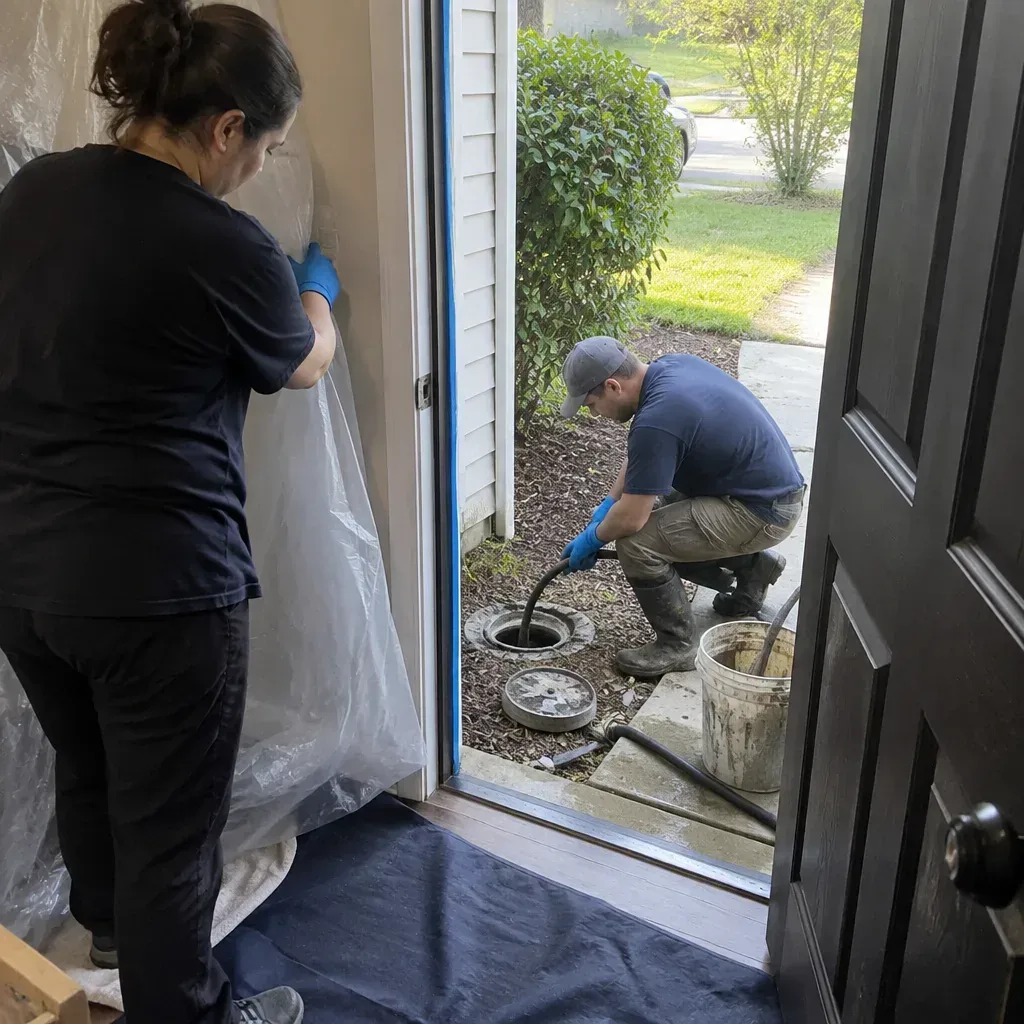
Can you stay in an unaffected part of your Lawrence home during sewage cleanup? See how room boundaries, access, and household needs shape the decision.
Read articleFirst check in Lawrence whether sewage is still entering; active flow may require a plumber to locate the blockage before indoor cleanup can proceed. Sewage can soak into porous flooring and wall materials, leaving contamination beyond the area where the blockage first appeared. Ask the pros we connect you with whether they can take the request, what could change the charge, and what written outline you will receive before work starts. That helps you compare the proposed work with the condition you reported, without assuming the cause or outcome.
Call (978) 501-8011