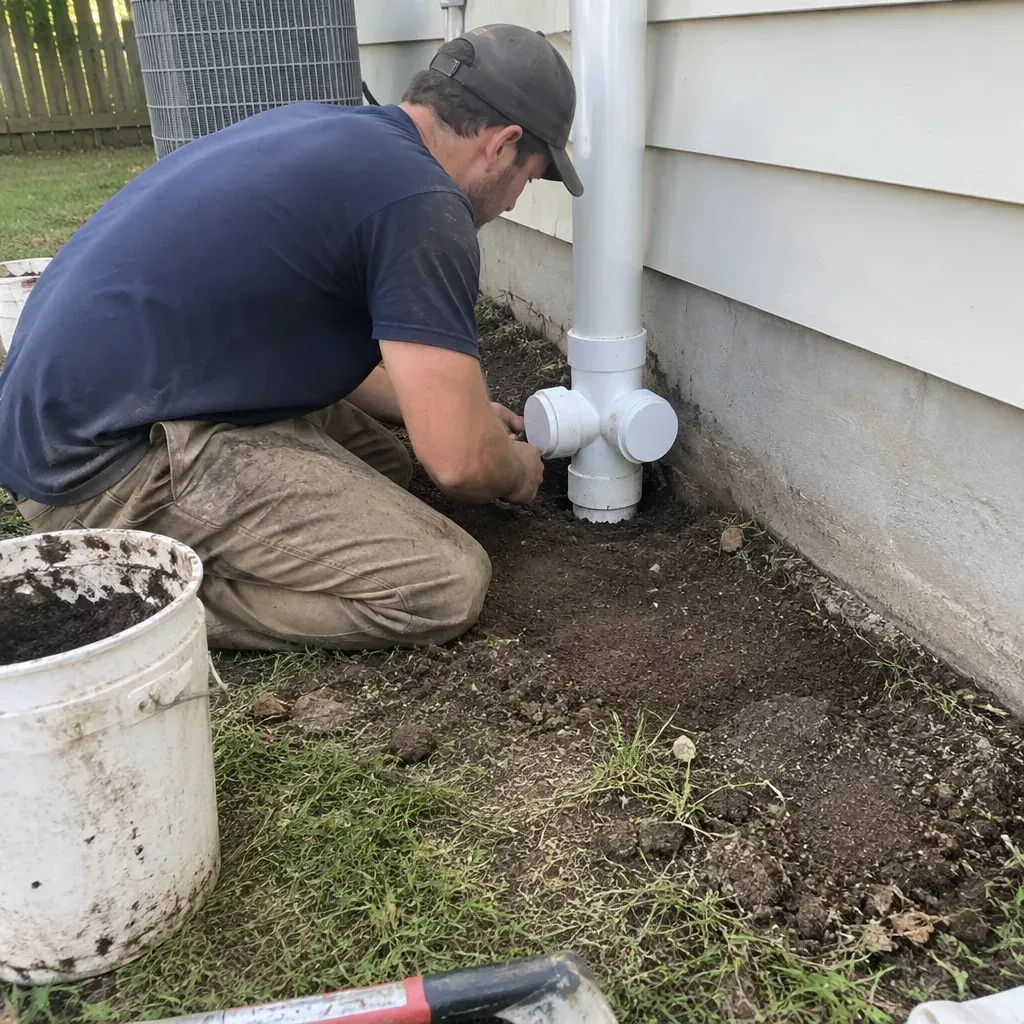
Returning Home
Ask the licensed pros we connect you with how to keep contamination from spreading as you prepare to return. Learn how completed work, inspection findings, drying, and remaining tasks guide reentry.
Read article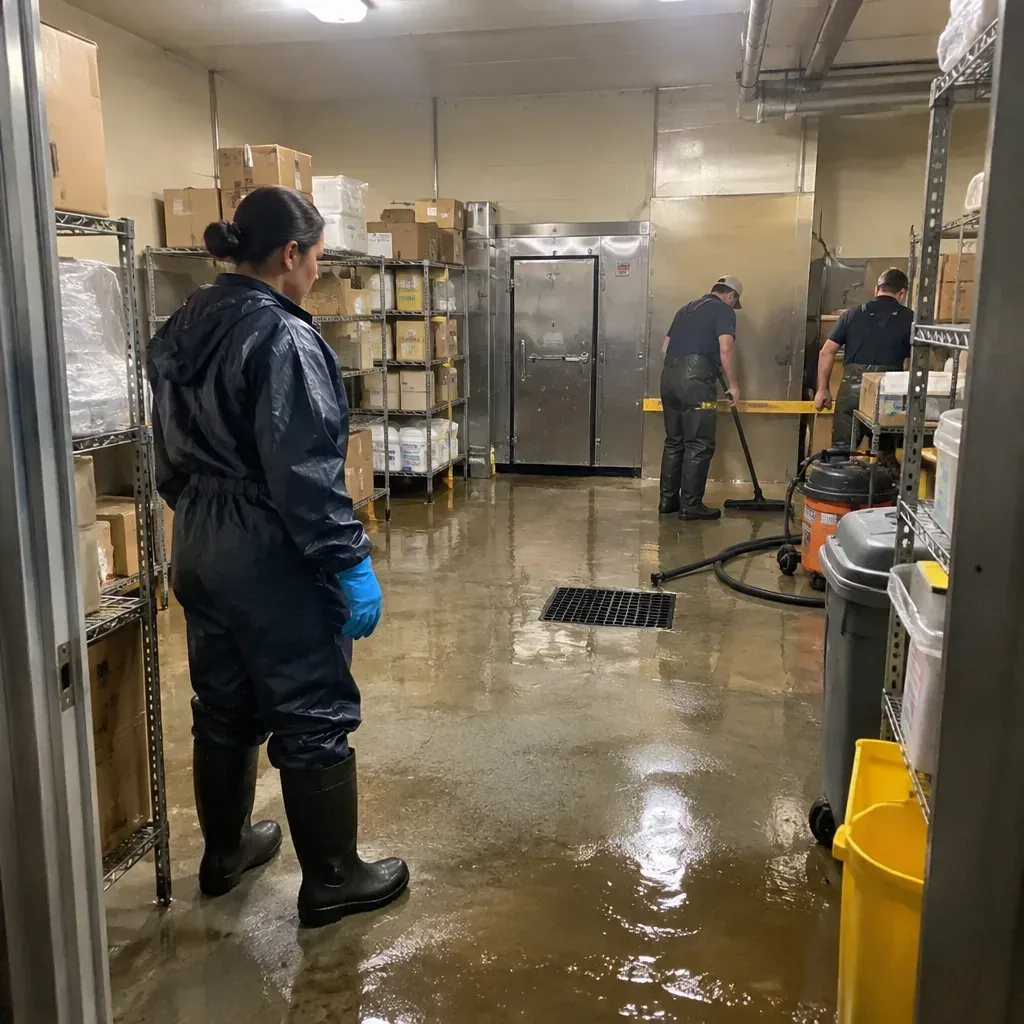
Describe the spread, then ask a cleanup provider what the affected rooms need.
Lawrence's city records describe sanitary and combined sewer lines, with combined sewers prevalent in older service areas and storm-related overflows possible when capacity is exceeded. A toilet overflow inside a home still needs its own source check: citywide information cannot show whether a private fixture, service line, or public sewer caused it. Keep the bathroom and connected rooms clear, and note where water crossed floor seams or reached nearby items before cleanup is planned.
For sewage toilet overflow cleanup, the first decisions are where to set the work boundary and which surfaces or materials can be treated. Keeping foot traffic out of the spill area can help limit how far residue is carried. The amount of affected space, concealed dampness, and access for equipment can change the work and its duration. Share any rooms below or beside the bathroom that may have been reached, and ask what the proposed assessment includes.
In Lawrence, MA, citywide records describe combined sewers and storm-related overflows, but cannot establish a home's connection. Toilet Overflow Sewage Cleanup handles indoor sewage cleanup; Lowell, Billerica and Haverhill are listed service locations.
Homeowners can review the residential approach at Sewer Backup Cleanup; landlords and business operators should follow commercial sewer backup cleanup for cleanup in spaces they manage.
A toilet-area floor that flexes underfoot or has lifted edges may have taken in water beneath its visible finish. This matters because sewage can remain in absorbent layers even after the exposed surface looks clear. Tell the cleanup assessor which seams or floor sections were wet, and whether the finish has changed shape. Swelling or discoloration on nearby baseboards can indicate that water reached the wall edge.
Look beyond the bathroom for changes at low wall edges, door trim, or stored items that sat on the floor. Water can travel through joints and collect at a lower point, so an adjacent room or ceiling below may need inspection even when it appears separate from the toilet area. In Lawrence, you can describe the layout using familiar reference points such as Essex Art Center or Lawrence Heritage State Park, but the assessor needs the home's actual room locations to map the work.
An odor that persists after visible water has been removed can mean residue or moisture remains in a place the surface cleaning did not reach. Soft items such as bath mats can hold sewage residue even when they no longer feel wet. Odor treatment is more useful after contaminated material has been removed and remaining surfaces cleaned. The provider can also check damp building layers and continue drying where readings show moisture remains.
The assessor maps where the toilet water reached, including adjoining rooms or areas you report, then checks materials to set the cleanup boundary.
The licensed pros we connect you with inspect nearby surfaces to identify where sewage and moisture have reached.
The cleanup plan accounts for items that need to be moved to reach wet building surfaces.
Moisture checks guide drying equipment and follow-up. Once residue and contaminated materials are addressed, the provider can treat lingering odor.
In a Lawrence home, water from a toilet can pass below flooring or reach wall edges before the visible pool is gone. The spill can also affect personal items left on the floor, which may need separate review. The distinction guides what must be removed and what can stay. A careful assessment lets the provider plan drying for the structure after extraction and cleaning, rather than treating only the surface that first caught your eye.
For a Lawrence cleanup, ask how the provider will separate the bathroom or other affected rooms from clean parts of the home and control debris as materials are taken out. A nearby reference such as Great Stone Dam or Essex Art Center can help identify your location when arranging an assessment, but the work plan depends on what the overflow touched. Disinfectants should remain on surfaces for the time stated on their product label, with its safety directions followed. Drying comes after extraction and surface treatment.
Before work starts, ask how the provider will separate the affected space from areas that can remain clean, collect contaminated waste, and check materials that are hidden from view. Disinfectants should be applied in line with their product instructions, including the required wet contact period and safety measures. If the overflow continues or the plumbing source needs attention, a plumber can investigate or repair that source; cleanup work deals with contamination and damage inside the home.
Treat Toilet Overflow Sewage Cleanup ranges in Lawrence as preliminary estimates, then have the pros we connect you with explain any inspection fee and list included cleanup tasks.
| Structure Under Review | Material Decisions | Moisture Conditions |
|---|---|---|
| Surface only | Essex Art Center context: document the affected area and appropriate cleanup | an estimated $1,200–$3,000 |
| Absorbent material | Agreed assessment work: remove affected materials, clean, disinfect, treat odors, and dry | an estimated $1,380–$3,900 |
| Several materials | Documented findings can add affected spaces or materials to the agreed work | an estimated $1,200–$3,000 |
| Materials and structure | Cleanup covers documented sewage impact; a plumber handles sewer diagnosis and repair | an estimated $2,880–$12,000 |
The first scope can expand if the assessment calls for extra odor treatment or more drying work. Choosing longer-lasting replacement materials affects rebuilding separately. The pricing guide explains how those added cleanup tasks and material choices can shape the overall cost.
A restoration professional who handles sewage losses can clean contaminated water from a toilet overflow. The pros we connect you with can assess the bathroom and any adjoining areas, then explain how they would contain the space, extract sewage, and handle affected materials and surfaces. Until the licensed pros we connect you with explain the cleanup steps, keep people and pets out of the affected area.
The provider should assess each affected material before deciding whether it can remain. Sewage-contaminated absorbent flooring, trim, or wallboard may need removal if it cannot be thoroughly cleaned, while appropriate hard surfaces can be cleaned and disinfected. Ask what was inspected and why a material is being kept or taken out. Ask how removed debris and materials will be handled as part of the cleanup.
The work begins by identifying the area touched by the overflow and separating it from clean parts of the home. The provider then extracts contaminated water, removes materials that cannot be restored, and cleans and disinfects surfaces that can remain. Drying follows the cleaning work, with moisture checks helping direct equipment. Odor treatment may be considered once sewage residue and affected materials have been addressed.
Yes. Picking up the visible water does not show whether it reached a floor layer, wall edge, or room below. Tell the assessor what you removed and where the overflow traveled, then ask for an inspection of nearby materials and concealed areas that may have become damp. That assessment can establish whether additional cleaning, removal, or structural drying is appropriate.
If the toilet continues to overflow or the source has not been identified, contact a plumber to diagnose the plumbing or sewer issue. Keep the bathroom out of use until the plumbing problem is corrected and the area is cleared for use. The two scopes address different parts of the problem, and resolving the source helps prevent further contaminated water from entering the cleaned area.
The proposed work depends on how many rooms and materials were reached, whether contamination is below visible finishes, and how accessible damp areas are for inspection and drying equipment. Ask the provider to explain which tasks are included, such as extraction, removal, surface treatment, odor work, and drying. A clear assessment of those conditions gives you a basis to understand the scope and expected duration.
A wider area to address, more materials contaminated by sewage, or added drying can change the scope. Contaminated materials may need removal as part of sewage cleanup.
Compare which materials can be treated in place with those that may need removal.
Ask the licensed pros we connect you with how to keep contamination from spreading as you prepare to return. Learn how completed work, inspection findings, drying, and remaining tasks guide reentry.
Read article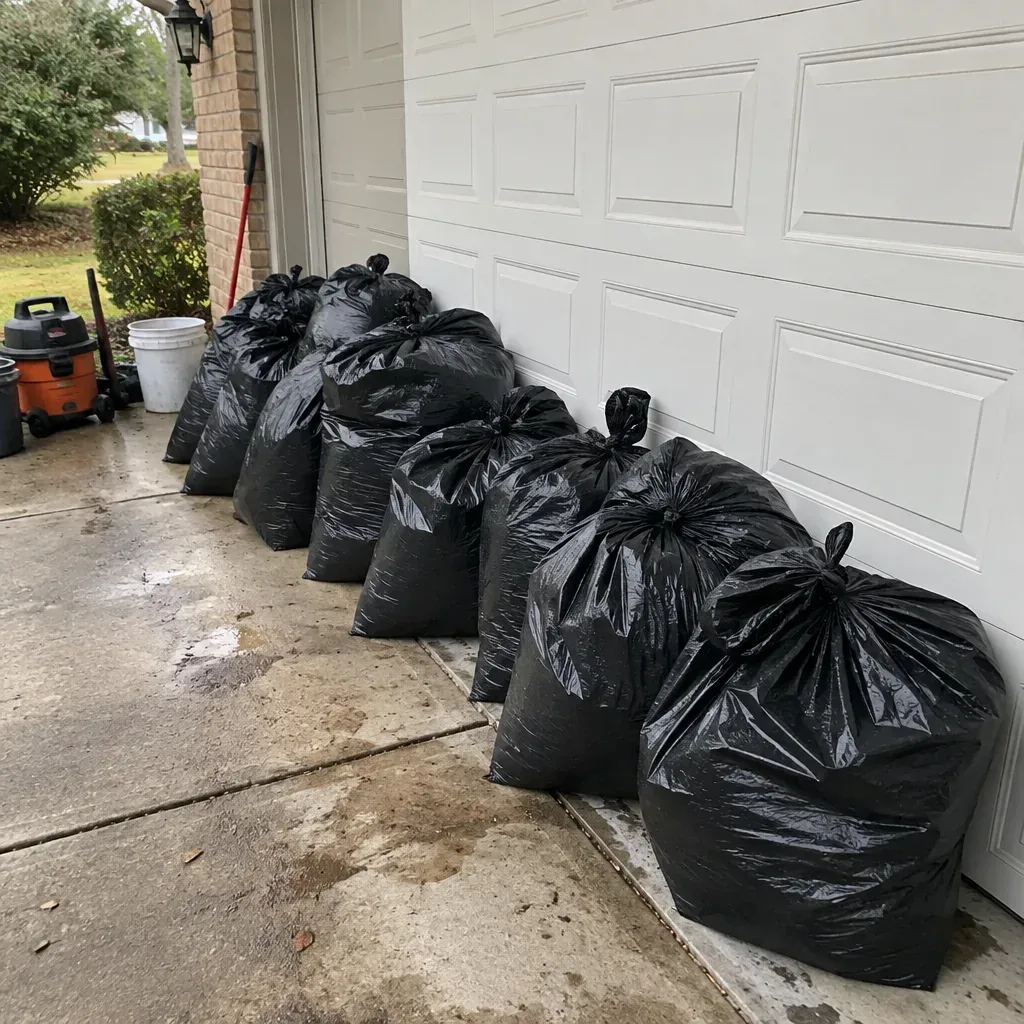
How soon can a sewage cleanup provider reach a Lawrence home? Learn what to report, what may affect scheduling, and what to confirm while waiting.
Read article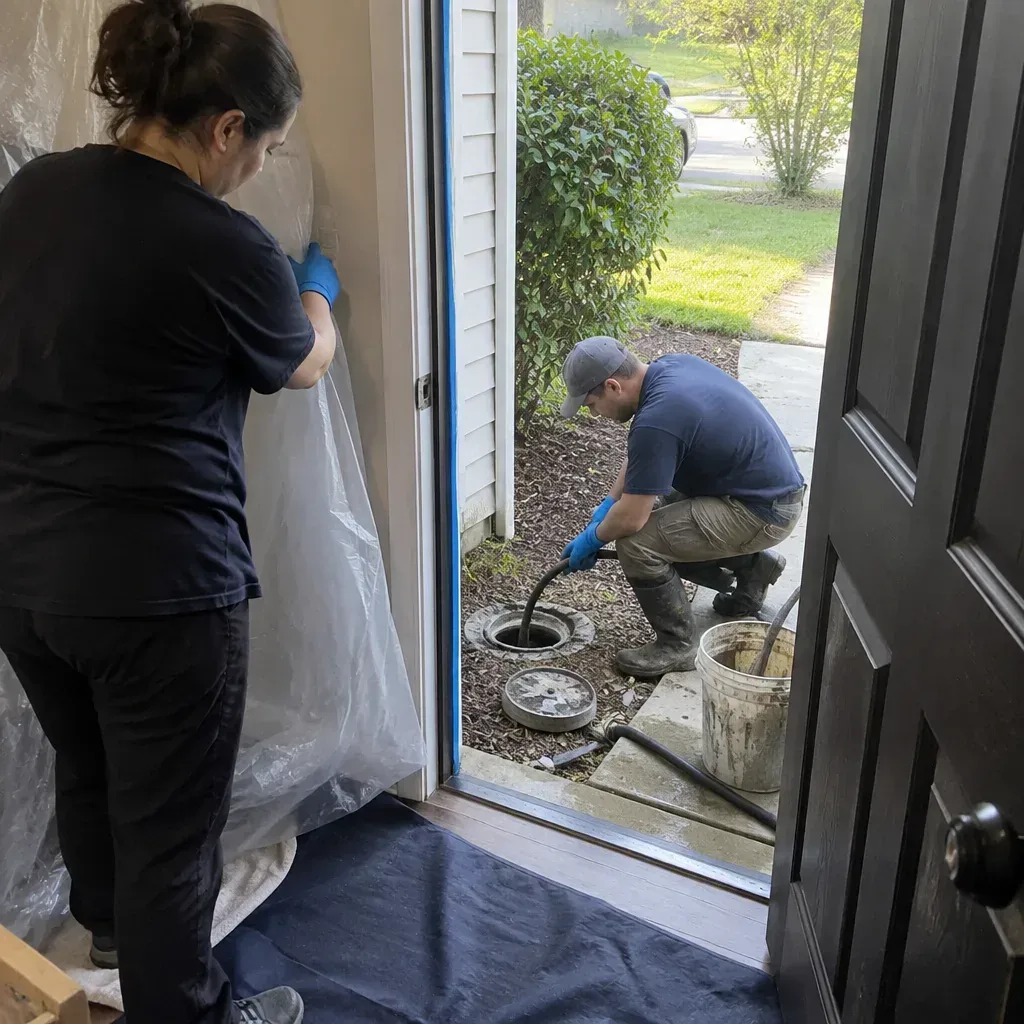
Can you stay in an unaffected part of your Lawrence home during sewage cleanup? See how room boundaries, access, and household needs shape the decision.
Read articleFirst check in Lawrence whether sewage is still entering; active flow may require a plumber to locate the blockage before indoor cleanup can proceed. Sewage can soak into porous flooring and wall materials, leaving contamination beyond the area where the blockage first appeared. Ask the pros we connect you with whether they can take the request, what could change the charge, and what written outline you will receive before work starts. That helps you compare the proposed work with the condition you reported, without assuming the cause or outcome.
Call (978) 501-8011