Office Building Cleanup
Lawrence Office Guide. Coordinate office sewage cleanup around tenant access, building operations, and clear facilities records in Lawrence.
See what cleanup involves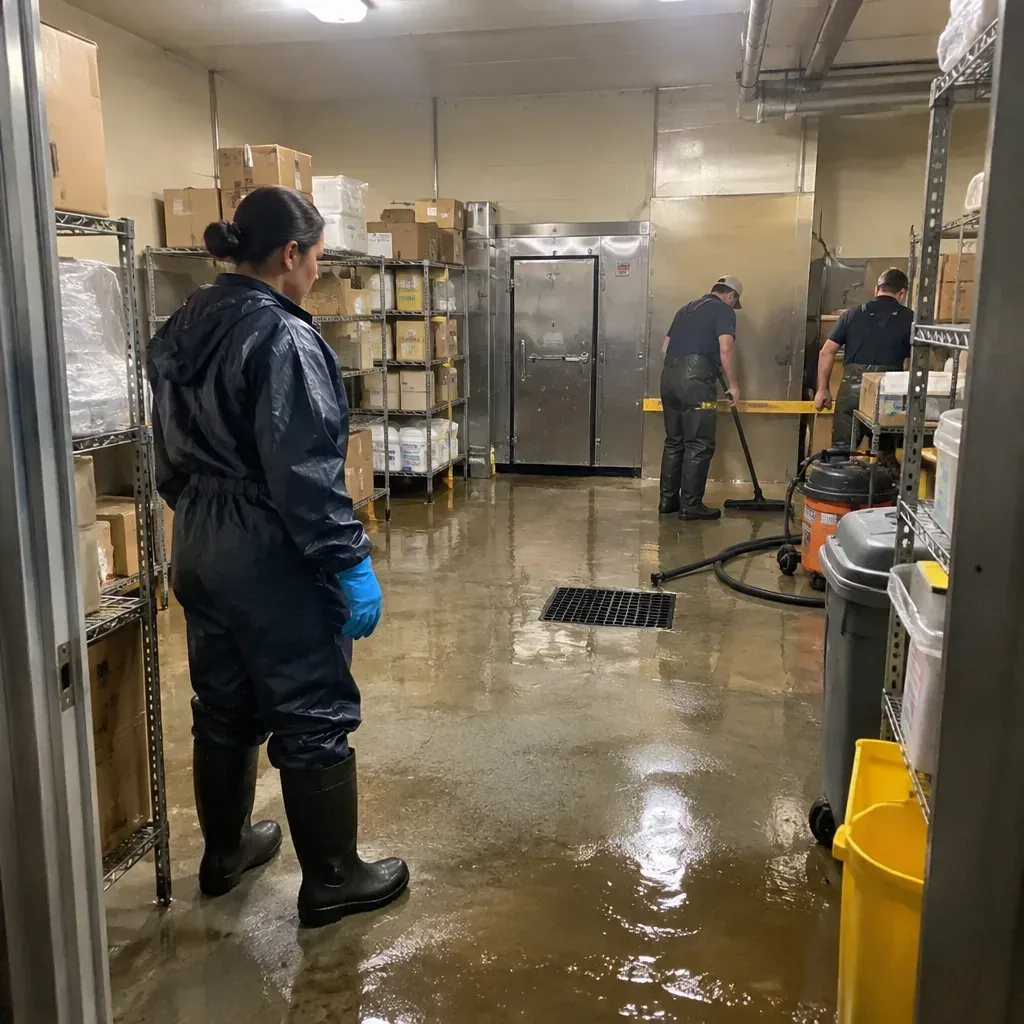
Before arranging a visit, list the business decisions you need help with: which spaces are affected, when someone can provide access, and what records you need afterward. Decide who can answer questions about affected spaces and business records during the visit. When you contact the pros we connect you with, ask whether they can take the job, when they could visit, whether a visit charge applies, and how scheduling works. The Merrimack River is local context, not a property assessment.
Start with a room-by-room record of what stopped working: customer access, stored goods, equipment, and tasks staff cannot shift elsewhere. If you manage more than one Lawrence property, keep each location’s photos, damaged-material list, and cleanup notes distinct; those records can support claim review and help compare reopening needs. Citywide sewer information describes sanitary and combined systems and storm-related overflows, but does not establish a building’s connection or backup history. A dated log of when water appeared and which fixtures were affected can help clarify the sequence of a backup. Odors, staining, and damp materials can point to areas that need closer cleanup review.
For each Lawrence property, give the pros we connect you with a separate contact, access plan, and record set. Link photos and notes to the address, describe the affected materials, and ask for the written work scope and cleanup records. This keeps decisions for one site from being confused with another when you coordinate across locations. If a claim is involved, those records can help document damage, but the insurer and policy determine coverage. The Essex Art Center offers a local landmark; it says nothing about any nearby building’s sewer connection.
Ask the pros we connect you with to explain the work in order: sewage removal, assessment of materials, removal where absorbent materials cannot be cleaned adequately, then cleaning and disinfection of affected surfaces before drying. Ask how they will keep the work area separate from business activity during cleanup. Have them describe the proposed scope for each Lawrence address and the records they will provide. Ask whether the proposed work includes affected business contents as well as building surfaces. Lawrence Heritage State Park is another city landmark, not evidence of a particular property’s backup history.
Lawrence Office Guide. Coordinate office sewage cleanup around tenant access, building operations, and clear facilities records in Lawrence.
See what cleanup involves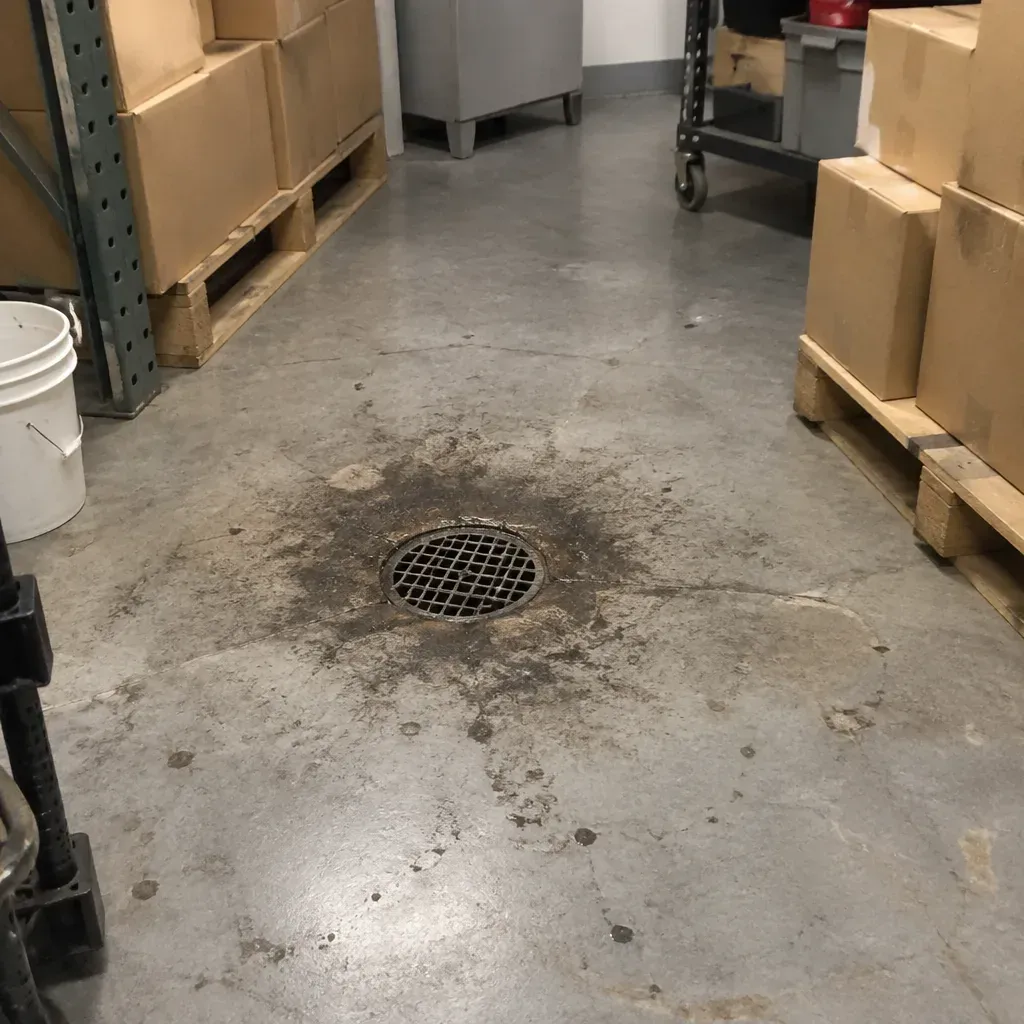
Retail sewage cleanup. Plan Lawrence retail sewage cleanup around separated work areas, merchandise review, store access, and records that address…
See what cleanup involves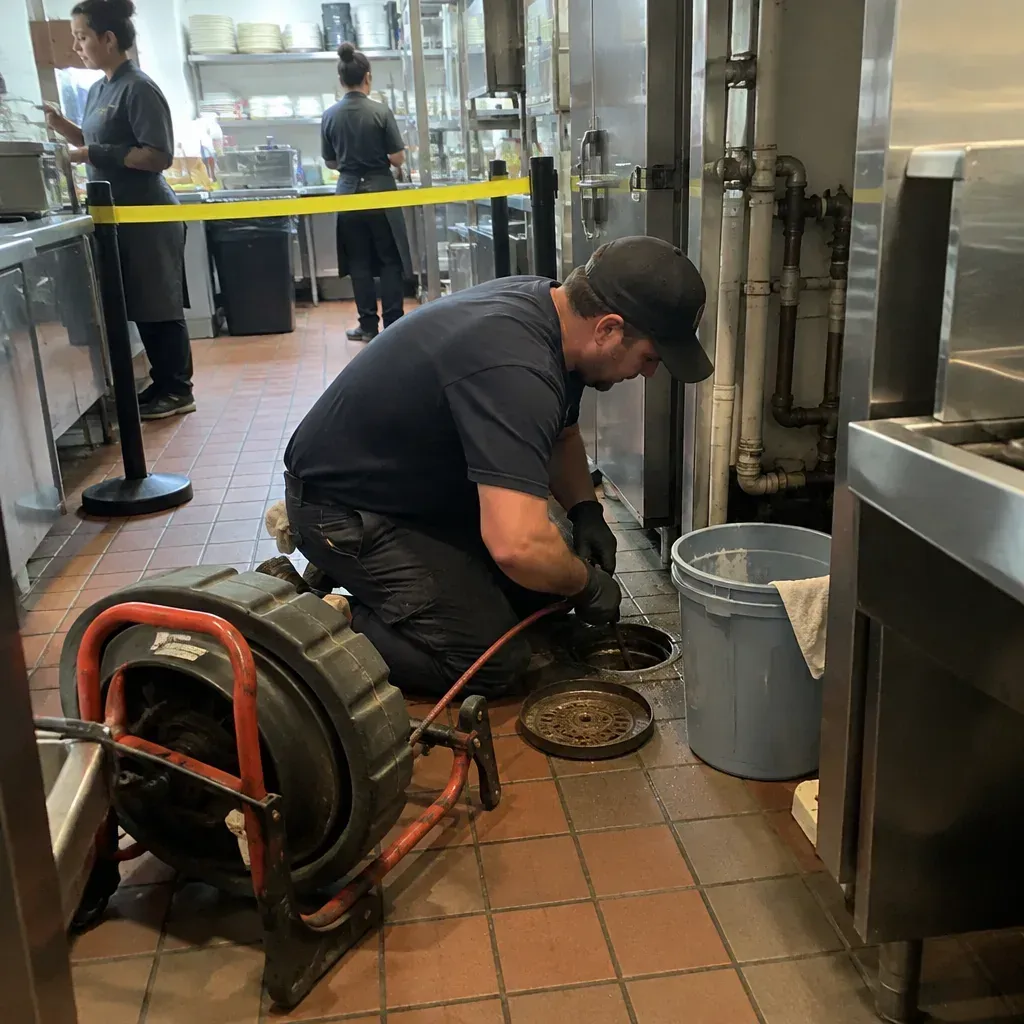
Restaurant Food Service Cleanup. Follow the affected kitchen areas, food handling decisions, and site requirements to plan restaurant cleanup in…
See what cleanup involves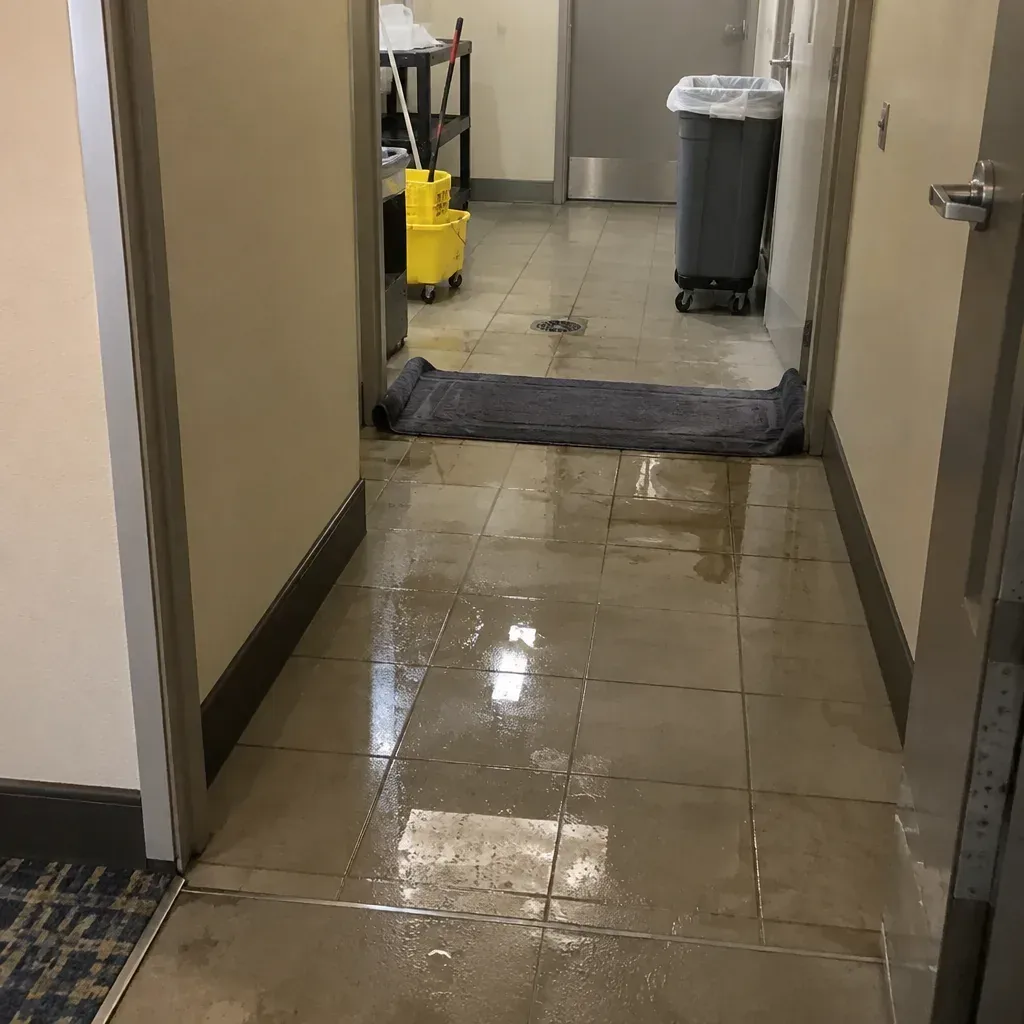
Hotel Cleanup Records. Plan Lawrence hotel sewage cleanup around room boundaries, shared facilities, operating records, and staged review before…
See what cleanup involves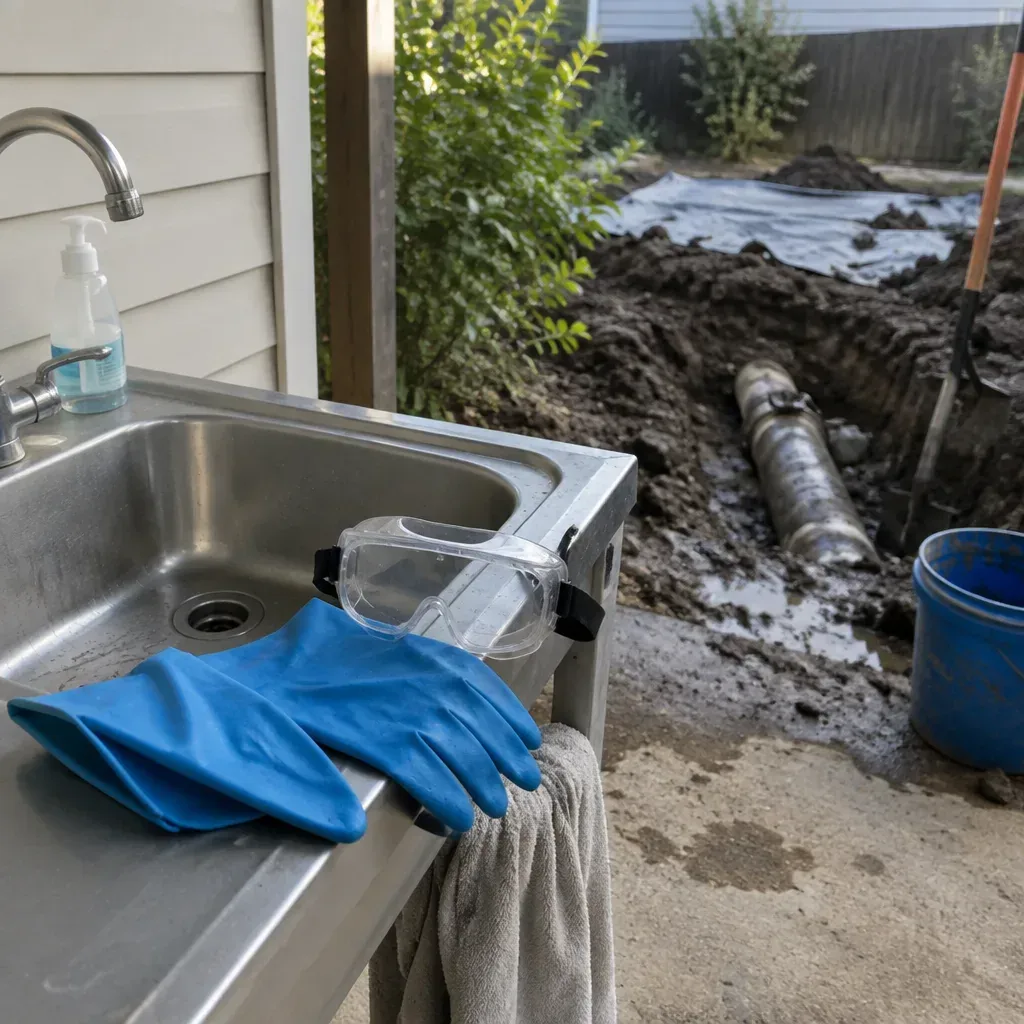
Keep basement contamination contained while cleanup and drying move forward.
View Basement Sewage Cleanup help in Lawrence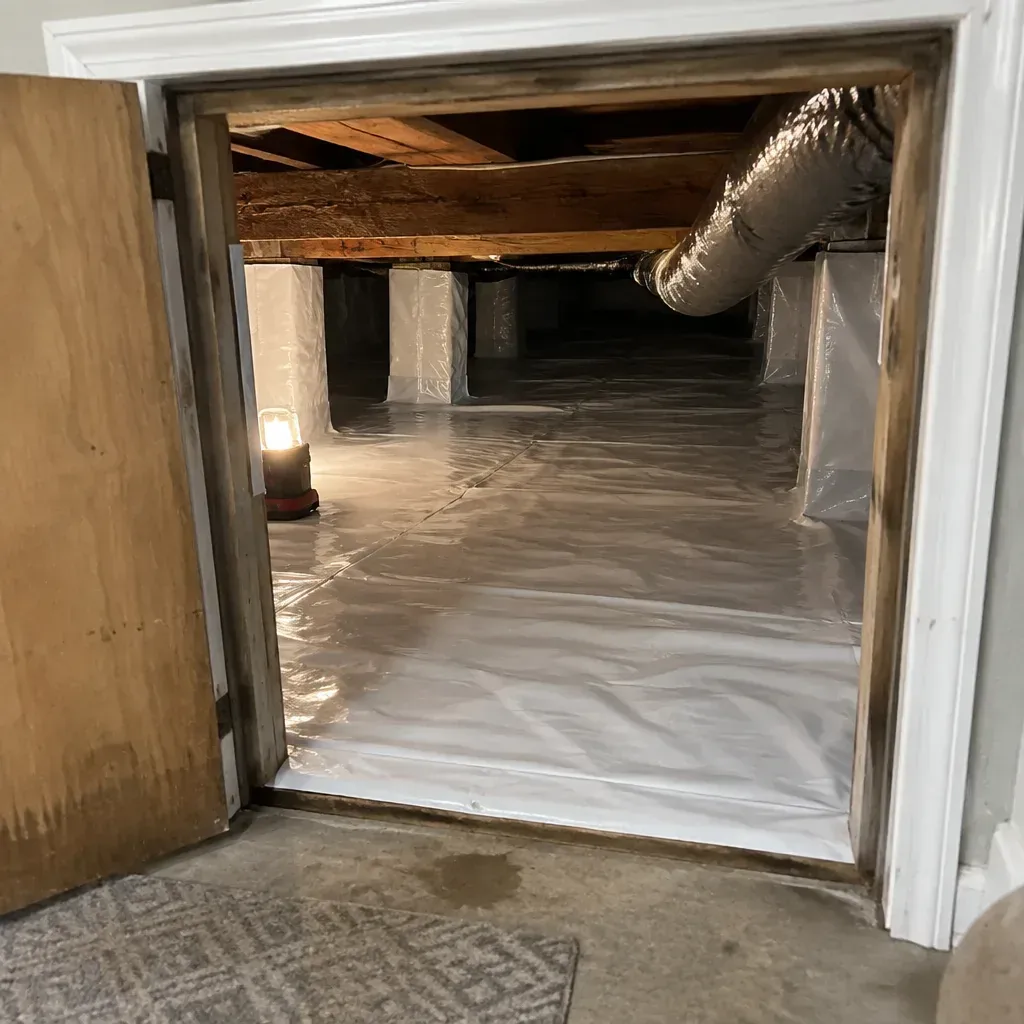
Keep out while sewage is removed and the crawl space is cleaned and dried.
View Crawl Space Sewage Cleanup help in LawrenceDescribe the spread, then ask a cleanup provider what the affected rooms need.
View Toilet Overflow Sewage Cleanup help in Lawrence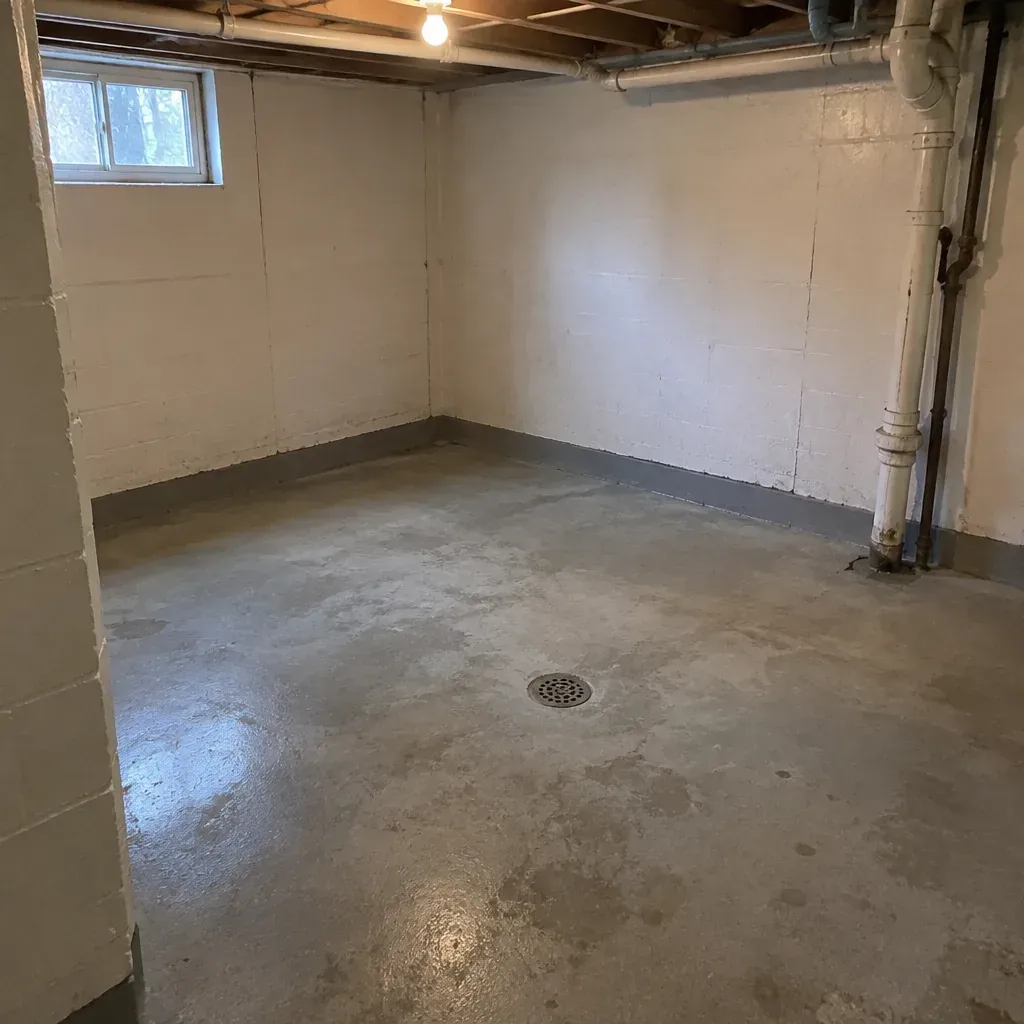
A careful cleanup traces sewage from the Lawrence floor drain into affected materials.
View Floor Drain Sewage Cleanup help in LawrenceUse the street address, rather than a landmark such as Essex Art Center or Great Stone Dam, to identify each Lawrence site. List affected rooms, stock, equipment, and building materials, and take photos from a safe area before cleanup changes the scene. Keep the assessment and notes on sewage removal, cleaning, disinfection, and drying together. Record which business functions were interrupted so the cleanup notes reflect the operational impact. These records can help document a claim; coverage depends on the policy.
Do not reopen just because visible water is gone. Ask the pros you connect with to explain which materials were assessed, what was removed, and what surfaces were cleaned and disinfected. Affected building materials may also need drying. Keep affected contents separate from items that stayed dry to avoid spreading contamination during cleanup. Use the cleanup findings to decide which rooms are ready for normal activity and which still need attention.
Evening or weekend work may be possible, but the pros you connect with need to confirm availability and whether the site can be accessed safely. Tell them your closing hours, which rooms are affected, and who can let them in. Also flag any areas that must remain open or any work that could disrupt staff, customers, or deliveries. They can discuss a schedule around those conditions; an after-hours appointment is not automatic.
Give the pros you connect with a separate address, site contact, affected-room list, and current status for each Lawrence location. Arrange for a plumber to investigate the backup source at the affected site; plumbing diagnosis and line repair are separate from indoor cleanup. Share the plumber’s findings so cleanup can be planned around that work. Keep each site’s assessment and decisions separate, since conditions at one address do not establish what happened at another.
A wider area to address, more materials contaminated by sewage, or added drying can change the scope. Contaminated materials may need removal as part of sewage cleanup.
Before requesting a visit, trace the backup’s path through the building and tell the pros we connect you with what it crossed, including stock, floor coverings, or wall finishes; that helps them judge which materials may need removal. Foot traffic can carry residue into clean parts of a building, so keep people and pets out during assessment. Ask the assessor to check enclosed wall and ceiling spaces, where trapped moisture may be easy to miss during a walk-through. Confirm whether your address is served, what appointment timing is available, and any assessment charge. A Lawrence business near the Concord River or toward Lowell still needs its own service check.
Call (978) 501-8011