Office Building Cleanup
Lawrence Office Guide
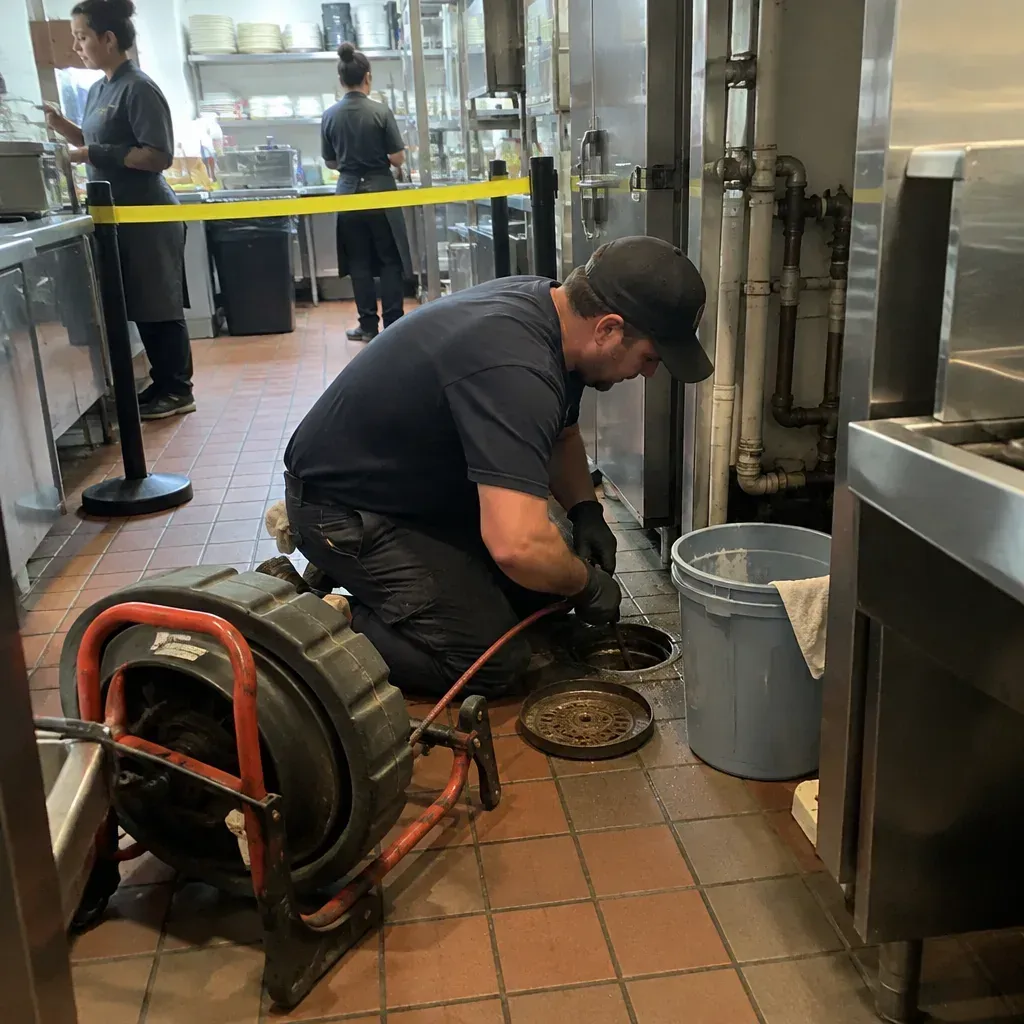
Follow the affected kitchen areas, food handling decisions, and site requirements to plan restaurant cleanup in Lawrence.
Restaurant sewer backup cleanup separates affected kitchen areas from food service, assesses food and equipment, removes sewage and materials that cannot be cleaned, then cleans, disinfects, and dries affected spaces. You should keep people out and follow applicable food safety guidance.
Start by establishing who can enter the affected kitchen, what food operations have stopped, and which decisions depend on outside guidance. In a Lawrence restaurant, keep staff and customers clear of sewage while you arrange an assessment. Restaurant sewage cleanup then has to account for food areas, equipment, building materials, and the records your lease or insurer may require. The order matters: decisions about exposed food and access shape the work zone, while the cleanup assessment identifies what needs removal, cleaning, disinfection, or drying.
Draw a simple floor plan showing the backup location, kitchen doors, storage, dishwashing, and any route staff use to move food. Mark where sewage was seen and where a barrier can separate that space from clean operations. A Lawrence manager can identify the restaurant address relative to Lawrence Heritage State Park for internal records, but a landmark cannot establish the property’s sewer connection or explain the backup. Ask the cleanup professional to clarify which boundaries should stay closed during assessment and work.
Before anything is discarded or returned to use, ask the relevant food safety authority how to handle ingredients, open packaging, utensils, and supplies that may have been exposed. Keep an item list by storage location and note whether containers were sealed or damaged; that gives the authority specific facts to consider. Food service cleanup decisions depend on the exposure and applicable requirements, so do not treat an intact-looking package as automatically acceptable. Keep questionable items out of preparation and service until you receive direction.
A commercial kitchen backup can affect the work sequence even when the visible sewage is confined to one room. If the route to dishwashing, refrigeration, or receiving crosses the affected space, staff may be unable to use those tasks safely while the boundary remains closed. In Lawrence, record which functions are paused and which can continue in a separate clean area. That account helps you coordinate staffing and service changes without assuming that an unaffected-looking room is ready for food handling.
For each refrigerator, dishwasher, prep table, and fixed appliance, note its location and visible condition before moving or restarting it. Include whether sewage reached its base, controls, cords, or nearby wall and floor surfaces; those details help the cleanup professional assess the surrounding materials. Great Stone Dam may help orient an internal Lawrence site map, but it says nothing about a restaurant’s equipment exposure. Check the lease and insurer’s instructions before authorizing removal or repair, and keep those decisions with the item record.
| Kitchen zone | Condition found | Handling step |
|---|---|---|
| Local context | Lawrence documents sanitary and combined sewers; each site's connection needs separate confirmation | Boott Cotton Mills Museum and Concord River do not indicate a restaurant's sewer setup |
| Food inventory | Ingredients and packaging exposed to sewage or splash | Keep affected stock apart while seeking food safety guidance |
| Kitchen equipment | Prep units, refrigerator bases, wheels, undersides, and contact surfaces | Record exposure so each item can be assessed for cleaning |
| Utensils and tools | Smallwares and supplies stored where sewage reached | Set these aside and ask the authority about safe handling |
| Surface treatment | Hard surfaces remaining after sewage and debris are removed | Follow disinfectant label directions, including contact time |
| Building materials | Absorbent finishes and cabinet edges reached by contaminated water | Assess what needs removal, cleaning, or structural drying |
| Notice records | Lease terms, insurer instructions, photos, and cleanup notes | Check reporting duties and keep a record of affected items |
| Restart review | Prep, washing, storage, and service functions affected by the backup | Consult the relevant food safety authority on requirements before resuming |
The assessment should distinguish washable hard surfaces from absorbent building materials that sewage reached. Porous wallboard, insulation, or other affected materials may need removal because contamination can remain within them; surfaces left in place need cleaning and disinfection before drying. The exact scope depends on how far contamination traveled and what materials were contacted. For a Lawrence restaurant, ask the cleanup professional to explain each proposed removal area and how the remaining structure will be dried, so you can compare the work plan with lease and claim requirements.
Set the work boundary so people handling food, clean supplies, or customer orders do not pass through the cleanup area. Containment can separate contaminated work from clean space and limit movement of water and debris, but doors, shared passages, and air movement affect where barriers belong. Ask how workers will enter and remove materials without crossing active food operations. If the restaurant is near Essex Art Center, that landmark can help staff identify the general Lawrence location in internal notes; it does not determine the site’s contamination or rules.
Keep a decision record as the situation changes: who restricted access, when a kitchen function stopped, what the assessment found, and who was contacted about food safety or building work. Note any instructions from the landlord, insurer, or local authority alongside the person responsible for acting on them. Lawrence’s Merrimack River and canal history provides city context, but citywide history cannot establish a particular restaurant’s sewer arrangement or cause. Use address-specific findings for the cleanup record and avoid drawing conclusions from the setting alone.
Food handling requirements may affect whether ingredients, utensils, or a preparation area can return to use after exposure. Contact the relevant food safety authority with a clear description of what was reached, how the area is separated, and what cleaning is planned. Ask what evidence or approval it expects before operations resume. In Lawrence, the cleanup professional can describe the physical work, while the authority addresses food safety direction; keep those roles clear in your records and follow disinfectant label instructions during surface treatment.
Coordinate operational changes around the closed zone: adjust receiving arrangements, pause affected menu preparation, and assign staff to clean tasks that remain accessible. If another kitchen or service area is available within the business, confirm that the route and handling practices keep it separate from contaminated work. Record who approved each change and when it should be reviewed. A Lawrence manager can use that running plan to keep staff instructions consistent as the cleanup assessment clarifies which spaces and equipment can be used.
For the insurer, make photographs before removal or cleaning when access is safe, and label each image with the room, item, and date. Pair them with an inventory of damaged materials and notes describing the cleanup steps being considered or completed. Ask the insurer what records it needs and how it wants decisions documented; coverage depends on the policy. A Lawrence restaurant should also retain invoices or written work descriptions it receives, so the claim file can be matched to the actual affected areas.
Review the lease before directing work that touches shared pipes, walls, floors, or building equipment. It may set out notice or approval steps, but the terms depend on the agreement, so ask the landlord who should authorize building changes and who needs updates. Keep copies of notices and responses with the site record. A Lawrence operator managing more than one location can maintain a separate file for this address, which helps prevent one property’s instructions from being mistaken for another’s.
Before cleanup starts, photograph visible damage and note affected surfaces so later review can compare the initial condition with the completed work and the written task list. Ask for a written description that ties each proposed task to an observed condition, including removal, surface treatment, and drying. If the insurer or landlord requires review before work proceeds, confirm that sequence with them. A Lawrence restaurant can then compare the scope against its records without relying on a citywide sewer fact to explain a specific loss.
After extraction and cleaning, affected structural materials need drying because moisture can remain after visible sewage is gone. Ask what parts of the kitchen are being monitored, what signs indicate drying is complete, and whether odor treatment is included in the proposed work. Before reopening a preparation area, confirm any return-to-use conditions with the food safety authority and check that required lease or insurer records are complete. In Lawrence, keep the final work summary with the exposure notes so later reviewers can follow what was found and addressed.
In Lawrence, a restaurant’s location near Market Square, the Clipper City Rail Trail, or Essex Art Center does not determine which lease terms or insurer requests apply. Check those documents, then ask the proper local authority what requirements govern the affected food operation. That order helps you identify who must be notified and what records to keep before materials are removed. The cleanup plan can then account for kitchen access, food handling decisions, and work areas that must stay closed. Commercial sewage cleanup costs can also reflect the handling and scheduling needs of the affected operation.
For a building with sewage damage, use the community list to check where the pros we connect you with may take cleanup requests, includingLowell, Billerica and Lawrence. Find out whether an assessment has a separate charge, and have the pros we connect you with check that they cover your address.
Commercial estimates commonly reflect each visit, the affected area, and how often follow-up is needed. Treat $7,000–$14,000 as a guide: multiple rooms, contents requiring disposal, and moisture left in building materials can add removal, cleaning, or drying work.For a Lawrence business, price can shift when sewage reaches different types of spaces: floors, wall finishes, and fixed equipment each change the cleanup task list. When calling, describe the rooms affected, what sewage reached, and which spaces need to return to use first.Use pricing guide to see what changes a cleanup estimate; commercial overview describes how commercial sewer-backup cleanup is organized across a building.
Lawrence Office Guide
Retail sewage cleanup
Hotel Cleanup Records
Restaurant sewage cleanup begins with restricting entry and separating the affected kitchen or connected rooms from food service. The cleanup professional assesses what sewage reached, removes it, and identifies materials that need removal or surfaces that can be treated. Cleaning, disinfection, odor treatment, and drying may follow. In Lawrence, check applicable local requirements and your lease or insurer’s instructions as the work plan is set. A plumber handles investigation or repair of the backup source.
Keep food, packaging, utensils, and equipment out of service until their exposure has been reviewed. Keep exposed items apart from clean stock and label them so no one uses them by mistake. Equipment decisions depend on where sewage reached and whether all affected parts can be accessed and cleaned. Record what is held, discarded, or cleared for use, along with the basis for each decision, so staff follow the same direction when food service resumes.
Keep dated notes that connect the affected area to each decision and cleanup step. Record what was exposed, what was taken out of service, what materials were removed, and when cleaning and drying checks occurred. Save relevant food safety guidance, lease notices, insurer requests, photographs, and the cleanup professional’s findings together. For multiple Lawrence locations, identify each restaurant clearly so its records stay separate. Coverage depends on your policy.
Tell the cleanup professional which kitchen tasks, entrances, and staff routes are affected, then agree on safe access and work timing. Keep staff and customers out of closed areas, and follow food safety direction before restarting food service there. If another part of the restaurant may remain open, confirm that its staff and supplies can stay apart from the cleanup zone. A manager can update staff as access changes.
Keep staff and customers clear of affected rooms, check food safety direction, and review lease or insurer requirements before setting the cleanup schedule.
Call (978) 501-8011