Hotel Cleanup
Hotel Cleanup Records
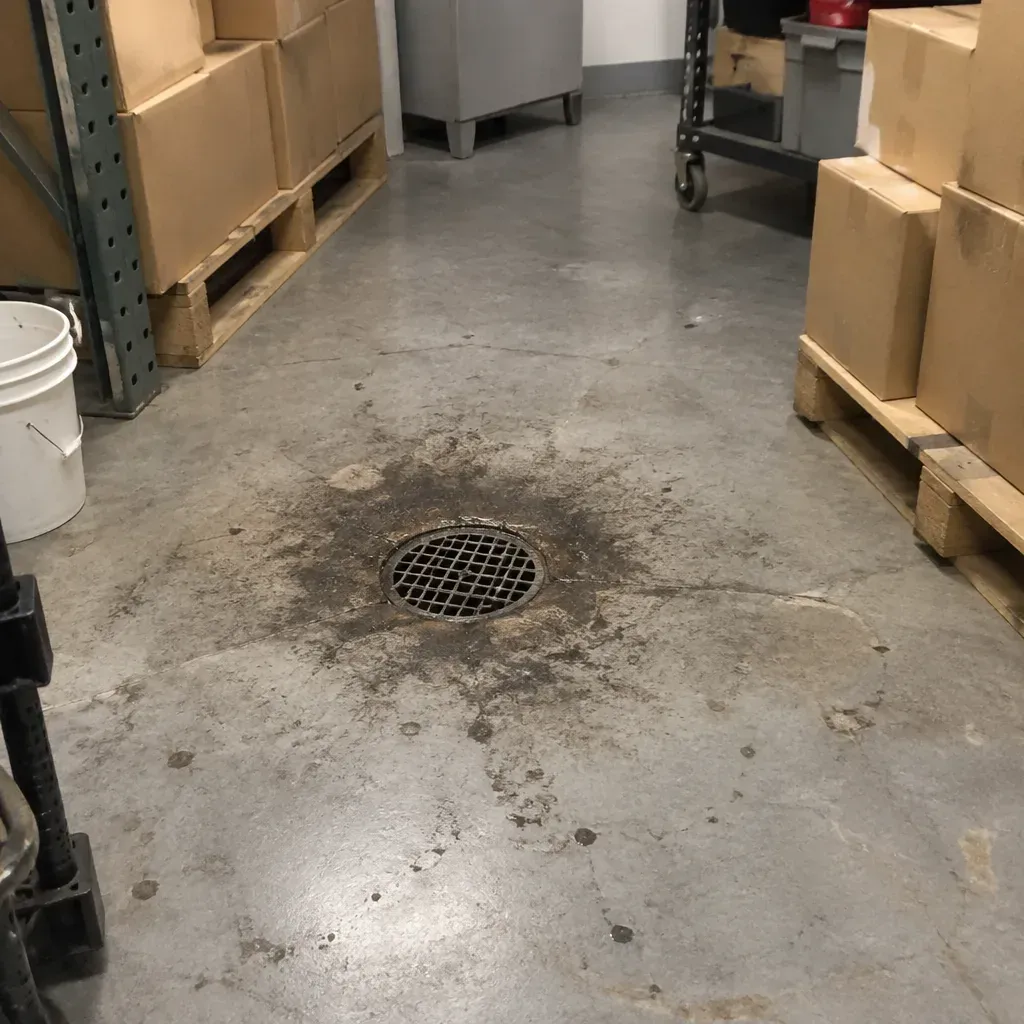
Plan Lawrence retail sewage cleanup around separated work areas, merchandise review, store access, and records that address property requirements.
Retail sewage cleanup isolates the affected sales or storage area, removes sewage, and assesses merchandise and building materials for cleaning or removal. Suitable surfaces are cleaned and disinfected, then affected materials are dried. Keep records of impacts and decisions, and check lease, insurer, and property-specific requirements.
Start with the store map, then trace the backup through sales space, storage, and receiving. Mark where staff saw water or odor, which aisles are closed, and where stock was kept; a dry-looking boundary may not show the full reach. In Lawrence, label the property by its actual address and use a nearby reference such as Route 236 only to help identify the site. That record gives the pros we connect you with a clear starting point for assessing affected areas and planning retail sewage cleanup.
Next, note what separates customers from the affected space: doors, partitions, checkout lanes, and routes to exits. Sewage can carry harmful contaminants, so keep shoppers and staff out while the area is assessed and cleaned. Ask the pros we connect you with where barriers will go, how entry will be controlled, and how removed material will leave without crossing open sales areas. A Lawrence store can then decide which sections must close and whether another entrance or operating area can remain in use.
Make a separate list for merchandise, with item type, shelf or storage location, and visible packaging condition. Record whether sewage reached the product, its container, or only the nearby fixture; those are different observations for the cleanup assessment and insurer. Do not handle suspect goods to inspect them. In Lawrence, keep the list tied to the store map so a carton from a stockroom shelf is not confused with an item from the sales floor. The pros we connect you with can assess which materials need removal, cleaning, or drying.
Before work begins, agree on how the affected zone will stay apart from public and clean areas. A barrier is useful only if staff can keep it closed and workers have a defined route for equipment and waste. Ask who will check that boundary as work moves from extraction to surface cleaning, and where customers should be redirected. For a Lawrence retailer, those choices may affect a shared entrance or neighboring tenant; confirm the arrangement with the property manager before work changes access.
Set the work window around deliveries, staff shifts, and any sales activity that can continue safely elsewhere. Tell the cleanup professional which receiving door is needed, whether deliveries can be rescheduled, and who can approve a temporary closure. Keep those decisions in the site log with the reason and time they were made. If the store is near Great Stone Dam, use the actual site address in notices and records; a landmark is an orientation aid, not evidence of a sewer condition at the property.
| Review point | Store impact | Confirm first |
|---|---|---|
| Branch locator | Store address, suite, and affected entrance | Lawrence wastewater system includes combined sewers |
| Lease approval | Clauses on access, repairs, and removal authority | Ask the property contact who can authorize work in shared areas |
| Claim instructions | Insurer contact, notice steps, and evidence requests | Check what to photograph or retain before stock disposal |
| Merchandise review | Item type, shelf or stockroom location, and visible condition | Set aside affected goods pending insurer guidance and assessment |
| Public access | Sales floor sections, entrances, and customer routes | Mark closed zones and coordinate any route changes with store leads |
| Work decisions | Containment, extraction, removal, cleaning, and drying by zone | Record who approved each change to access or work scope |
| Local contact | Sewer authority serving the specific store address | Verify the correct reporting contact; a citywide map may not settle it |
| Return conditions | Cleanup notes and any landlord, insurer, or authority instructions | Confirm applicable conditions before staff or shoppers reenter |
Stockroom cleanup needs its own assessment because shelving and tightly packed cartons can hide wet flooring or affected wall surfaces. Record the shelf rows and stored goods before anything is shifted, and note which routes workers need to reach the floor and wall edges. Absorbent packaging exposed to sewage may not be suitable to keep. For a Lawrence store, compare the stock list with purchase and inventory records, then ask the pros we connect you with to document why particular materials are being removed or retained.
Keep a dated sequence of decisions as the job progresses: when access was restricted, when the assessment took place, and when materials were removed or work changed stages. Add the name or role of the person who approved each operational change. This makes it easier for a Lawrence manager to explain a closure or inventory adjustment later without relying on memory. Keep notes factual; describe what was observed and done, and leave the cause of the backup to the appropriate investigation.
On the sales floor, make the closed boundary visible from each approach and show it on the store map. Include nearby fixtures, blocked aisles, and any route employees may still use to reach unaffected areas. Update the map if the work zone expands or contracts, and tell staff which version is current. This helps a Lawrence team maintain one clear instruction for customers and workers instead of letting an old barrier plan conflict with the active cleanup area.
Separate the cleanup record from the investigation into what caused the backup. The pros we connect you with address sewage and affected building materials inside the store; a plumber can diagnose a blockage and repair a sewer line. Lawrence documents sanitary and combined sewer infrastructure, but citywide information does not identify the connection or cause at a particular retail address. If the source remains uncertain, ask the property manager which sewer authority or plumbing contact should investigate before drawing conclusions in the incident file.
Choose one store contact to keep the working file current and coordinate approved updates among the landlord, insurer, cleanup professional, and plumber. Ask the landlord and insurer what notice and records they expect under the lease and policy before authorizing nonurgent work or discarding stock. Requirements can differ by agreement, so capture the answer and who provided it. For a Lawrence property, the contact can also check with the proper sewer authority about local procedures without assuming a municipal system caused the event.
Build the damage file while surfaces and goods are still in place. Take dated photographs of affected fixtures, flooring, stock, and the closure boundary, then connect each image to a location on the map. Add an itemized list and the cleanup notes as work proceeds. A Lawrence manager might use Essex Art Center as a general orientation reference when identifying the part of the city, but the store address and site records should identify the property itself. These materials may support an insurance review; coverage depends on the policy.
Before goods are discarded or work moves beyond urgent containment, read the lease and contact the insurer about notice, evidence, and approval steps. Keep damaged merchandise identifiable until you know whether an inspection or inventory record is requested. Do not treat a conversation as a coverage decision; save written instructions with the incident file. If local sewer procedures are relevant, check with the proper authority for the store's location rather than inferring them from Lawrence's broader system information.
Ask for a written work record that follows the actual sequence: sewage extraction, removal of materials that cannot be adequately cleaned, washing and disinfection of affected surfaces, odor treatment when needed, and drying of building materials. Disinfectants should be used as their labels direct, including stated contact and safety instructions. For Lawrence operations, keep the record aligned with the map and stock notes so each completed area can be matched to its assessment. A plumber's diagnosis or repair belongs in a separate source-of-backup record.
Before returning a section to normal use, ask which surfaces were cleaned and disinfected, which materials were removed, and whether affected building materials are dry. Keep the professional's final status with the store file, including any areas that remain restricted or need follow-up. Record who confirmed the area was ready for use and when, so the decision can be traced later. If a Lawrence site has an unresolved question about local sewer procedures, ask the proper authority before treating the cleanup record as the whole incident record.
In Lawrence, commercial sewage cleanup cost can shift with the space that must be closed, the materials affected, and limits on when workers may enter. Before work is scheduled, check the lease for notice, access, and responsibility terms, then ask the insurer what records or approvals it expects. Keep a log of affected areas, business interruptions, and decisions made during cleanup. Confirm property-specific requirements with the landlord and relevant authority, and keep those decisions with the cleanup file.
As you compare service areas, check whether the pros we connect you with list material removal, cleaning, and drying; community links show where this cleanup may be offered, includingBillerica, Lawrence and Haverhill. Before choosing a cleanup appointment, check for a callout fee and confirm your location falls within the pros’ service area.
Commercial estimates commonly reflect each visit, the affected area, and how often follow-up is needed. Treat $7,000–$14,000 as a guide: multiple rooms, contents requiring disposal, and moisture left in building materials can add removal, cleaning, or drying work.For a Lawrence business, price can shift when sewage reaches different types of spaces: floors, wall finishes, and fixed equipment each change the cleanup task list. When calling, describe the rooms affected, what sewage reached, and which spaces need to return to use first.Use pricing guide to see what changes a cleanup estimate; commercial overview describes how commercial sewer-backup cleanup is organized across a building.
Hotel Cleanup Records
Lawrence Office Guide
Restaurant Food Service Cleanup
Record when the backup was found, which departments and stock areas were affected, and what actions followed. Keep dated photos, the store map used to mark impacts, notices to the landlord, insurer communications, and the cleanup professional’s notes together. Record why goods were retained, treated, or discarded. In Lawrence, keep any property-specific sewer or authority information separate from general city system information; public records do not establish a store’s connection.
Have the cleanup professional review each affected product and its packaging before staff move it. The material, packaging condition, and contact with sewage help determine whether cleaning is suitable or removal is needed. Absorbent goods can retain contamination, while a sealed hard surface may allow a different assessment. Record the item or category, its location, the decision, and the reason so the landlord and insurer can review the handling.
Give the property manager and cleanup professional the lease’s access and notice terms, store hours, delivery windows, and any areas that must remain open. Agree who can authorize entry and how staff will keep customers clear of the affected zone. If work limits receiving or checkout, note the expected restriction in the operating plan. These details help schedule access without carrying exposed goods through public areas.
Check the lease for notification, access, and repair duties, and ask the insurer what documentation or approval it needs before items are removed. Lawrence publishes information about its sanitary and combined sewer systems, but only the property’s records and the proper authority can clarify requirements for a specific store. Keep those findings with the incident file; cleanup records and a plumber’s source investigation serve different purposes.
Mark affected sales, storage, and merchandise zones, gather lease and insurer requirements, then ask how the work and decisions will be recorded.
Call (978) 501-8011