Retail Cleanup
Retail sewage cleanup
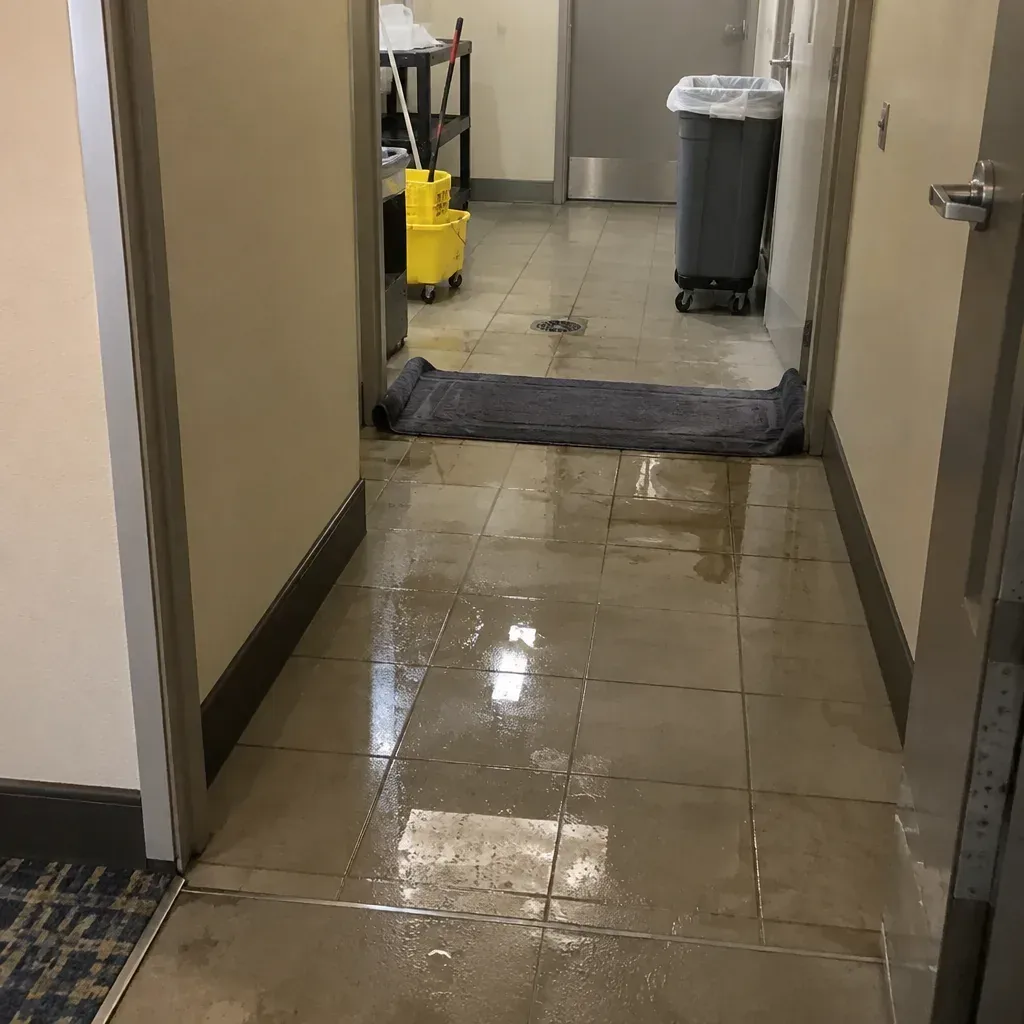
Plan Lawrence hotel sewage cleanup around room boundaries, shared facilities, operating records, and staged review before spaces return to use.
Hotel sewer backup cleanup separates affected rooms and shared spaces, removes sewage, and assesses impacted materials for removal, cleaning, disinfection, or drying. Coordinate room closures and staff routes with hotel operations, record affected contents, and review each area’s condition before returning it to use.
Start the hotel sewage cleanup record with the decisions that shape the work: which guest rooms are unavailable, what shared routes connect them, and who needs each update. In Lawrence, a guest room backup can affect check-in assignments even when the lobby remains open, so note the operational impact beside the room location. Record what staff observed and when, then separate those observations from assumptions about how sewage traveled. This gives the hotel and the independent cleanup professional a common basis for planning hospitality cleanup and reviewing the resulting commercial sewage cleanup scope.
Build the record in an order that follows the property: note the first reported room, then adjoining rooms, corridors, service areas, and shared facilities that warrant assessment. For a Lawrence hotel, identify floors and room numbers using the property’s own layout, and note which guest or staff routes cross the proposed work area. A shut room may shift arrivals to another floor; a closed corridor may change housekeeping access. These links help you see how the incident affects daily operations without treating every nearby space as contaminated.
Give each observation a location and source. A dated staff note, a photograph of a floor condition, and a room-status entry answer different questions, so keep them distinct in the Lawrence file. Include a floor or area identifier in each item and preserve the original record when details change. If you use Lawrence Heritage State Park or the Merrimack River as broad map references, label them only as orientation; neither establishes a hotel’s sewer connection or the cause of its backup. Property evidence should guide the cleanup discussion.
Use a room log that lets the front desk and facilities staff act on the same current information. In Lawrence, note whether each room is available, held for assessment, or assigned to cleanup, and record who changed that status and why. A dated entry helps explain why a reservation was moved or housekeeping skipped a room. Keep the operational note separate from technical findings: staff need a clear instruction, while the cleanup professional needs observations that describe the condition found.
Track shared areas as their own locations in the Lawrence hotel record. A corridor, elevator landing, or staff passage may serve rooms beyond the initial report, while a closure can redirect guests and linen carts through another route. Record the route affected, its operating purpose, and any temporary access change. This lets managers see whether a proposed phase can proceed without sending people through a work zone, and gives later reviewers context for decisions that may otherwise look like unexplained closures.
| Area | Work order | Record |
|---|---|---|
| Guest rooms | Mark affected rooms and adjoining spaces for assessment | Note room numbers, contents, and observed sewage reach |
| Connecting doors between occupied guest rooms | Map contained work zones and clear staff routes | Sketch barriers and note temporary circulation changes |
| Elevator lobbies serving affected room floors | Place check-in outside the affected work area | Record temporary desk location and guest notices |
| Dining area | Plan assessment around meal service | List affected furnishings and items needing review |
| Kitchen stores | Keep clean supplies clear of affected areas | Note moved stock and access limits |
| Food preparation and dining service areas | Separate linen handling from contaminated zones | List affected textiles and equipment for assessment |
| Event rooms | Compare planned work with scheduled use | Link booking changes to the affected area |
| Site map | Mark the hotel and access points | Track room status across each shift |
Before belongings or furnishings are moved, record where they were and who says they own or supplied them. In a Lawrence guest room, that distinction may separate a guest’s suitcase from hotel bedding or rented equipment. Photograph visible conditions in context, then identify items individually in notes rather than relying on a room-wide image. This creates a useful account for claim review and helps hotel staff arrange questions about handling with the right party, without promising what an insurer will cover.
Make the work record usable across hotel locations by keeping a consistent set of labels for rooms, contents, shared areas, and operating restrictions. A Lawrence manager can then compare the same types of information with another property’s file without treating their conditions as identical. Keep each site’s observations, photographs, and decisions tied to its own address and floor plan. The shared format supports future planning; the evidence remains specific to the incident and property it describes.
List the people who can approve room access, content handling, and operating changes at the Lawrence property, along with the decisions they made. Keep relevant property agreements and policy details available to those reviewing authorization. These records help explain why an item stayed in place or an area remained closed while questions were resolved. They do not determine insurance coverage; policy terms and claim decisions belong to the insurer. A clear approval trail can still make later review less dependent on staff memory.
During assessment at a Lawrence hotel, connect each observed condition to a location and the material involved. Note whether a surface, furnishing, or adjoining area needs removal, cleaning, or drying, and distinguish what was seen from what still needs evaluation. A record that says only “room affected” cannot guide a later discussion about scope. Specific entries help the hotel compare the proposed work with the conditions found, while avoiding assumptions about concealed areas that have not been assessed.
The work record should follow the cleanup sequence without trying to replace the professional’s findings. At the Lawrence site, note when sewage extraction, removal of contaminated porous materials, surface cleaning, disinfection, and structural drying are proposed or observed. Record the product used and label directions when disinfection is part of the work, including the stated contact time. Keep plumbing diagnosis separate: cleanup addresses contamination inside the building, while a plumber handles the sewer line or source. That boundary helps keep records clear about who did what.
Before a Lawrence room returns to service, compare its status with the conditions the hotel and cleanup professional agreed to review. The file can show which work was completed, what materials remain under observation, and whether drying still needs attention. Record who reviewed the room and when, along with any restriction that remains. This gives front desk staff a basis for room assignment and lets a later claim reviewer follow the decision, without treating a vanished stain or odor as proof of readiness.
Phased work can help a Lawrence hotel keep suitable areas operating when the work zone and guest routes remain separate. Record which floor or shared route is included in each phase, what access changes support it, and what conditions must be reviewed before the next area is used. If a hallway links the room under cleanup to an open elevator, that route deserves attention in the plan. The record helps managers understand the operational tradeoffs and adjust assignments when the boundary changes.
When you speak with the pros we connect you with in Lawrence, bring the room log, floor plan, photographs, and notes about hotel operations. Ask how they would turn those records into a phased assessment, which observations still need checking, and what information they will return to support claim review and future planning. The city documents sanitary and combined sewer infrastructure and storm-related overflows, but that general context cannot establish a particular hotel’s connection or explain its backup. Keep the discussion grounded in the property evidence.
A useful next step for a Lawrence property is to mark the guest rooms and shared areas reported or observed, then discuss a phased assessment and cleanup plan with an independent cleanup professional. Include room assignments, operating routes, and the records already available; ask how changes in conditions will be noted as work proceeds. The Great Stone Dam and Essex Art Center are recognizable local map references, but neither says what happened inside a hotel. The property record should leave you able to ask what remains uncertain, what needs review before reopening, and which decisions need documentation.
In Lawrence, the cost of commercial sewage cleanup can change when contamination has moved beneath flooring or into wall assemblies, because those layers may need separate inspection and handling. The estimate also reflects what the assessment finds about affected contents, surface treatment, and drying needs. A hotel can use the findings to compare work phases and understand which rooms or shared facilities may remain unavailable. Drying needs can affect how long a room or shared facility remains unavailable.
For a building with sewage damage, use the community list to check where the pros we connect you with may take cleanup requests, includingHaverhill, Lowell and Billerica. Before arranging a visit, ask the pros we connect you with whether mileage is billed separately and whether your address is within reach.
A business estimate often starts with one attendance and scales with the area that needs attention and any planned return checks. $7,000–$14,000 is a guide, while the sewage volume, materials that need removal, and access for safe handling shape the cleanup scope.For a Lawrence business, price can shift when sewage reaches different types of spaces: floors, wall finishes, and fixed equipment each change the cleanup task list. When calling, describe the rooms affected, what sewage reached, and which spaces need to return to use first.Use pricing guide to see what changes a cleanup estimate; commercial overview describes how commercial sewer-backup cleanup is organized across a building.
Retail sewage cleanup
Restaurant Food Service Cleanup
Lawrence Office Guide
Close the affected rooms and shared areas, then give guests and staff a clear route that avoids them. In Lawrence, ask the front desk and housekeeping to use the same current room map so a changed boundary does not send carts or guests through the work area. Keep people away while the cleanup professional assesses and treats the affected spaces.
Record the room number or shared area, the time it was taken out of use, visible impacts, and any affected contents. Add dated photographs and notes as conditions change, and keep the hotel address on each record. These details can help with claim review and later planning; they do not determine what an insurance policy covers.
Review each room and shared space after its assessment and planned cleaning are complete. Check that affected surfaces received cleaning and disinfection, damp building materials were dried, and the area is suitable for the next use. In Lawrence, update the room map before front desk staff assign the space again, so its status matches the findings.
A sewage backup can affect building materials as well as hotel contents. Those citywide facts do not show which system serves a particular hotel or what caused its backup. Check the property’s sewer information with the appropriate authority, and keep the hotel’s own observations separate from citywide records.
Review affected materials, contents, and drying needs with the licensed pros we connect you with before comparing cleanup phases.
Call (978) 501-8011