Cleanup Steps
Sewer Backup Cleanup Steps for Lawrence, MA
Which steps cover barriers, sewage removal, damaged materials, surface treatment, and drying, and how will the written scope describe them?
CLEANUP SEQUENCE
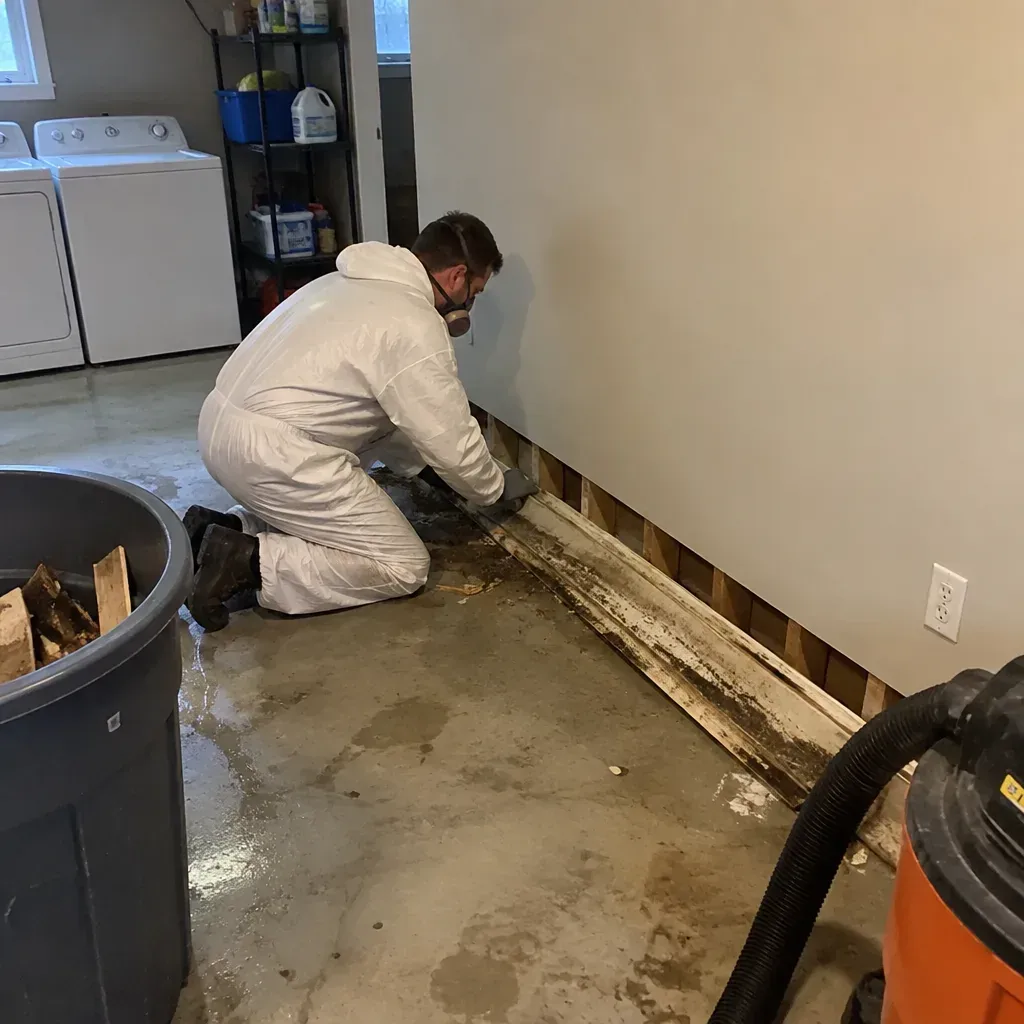
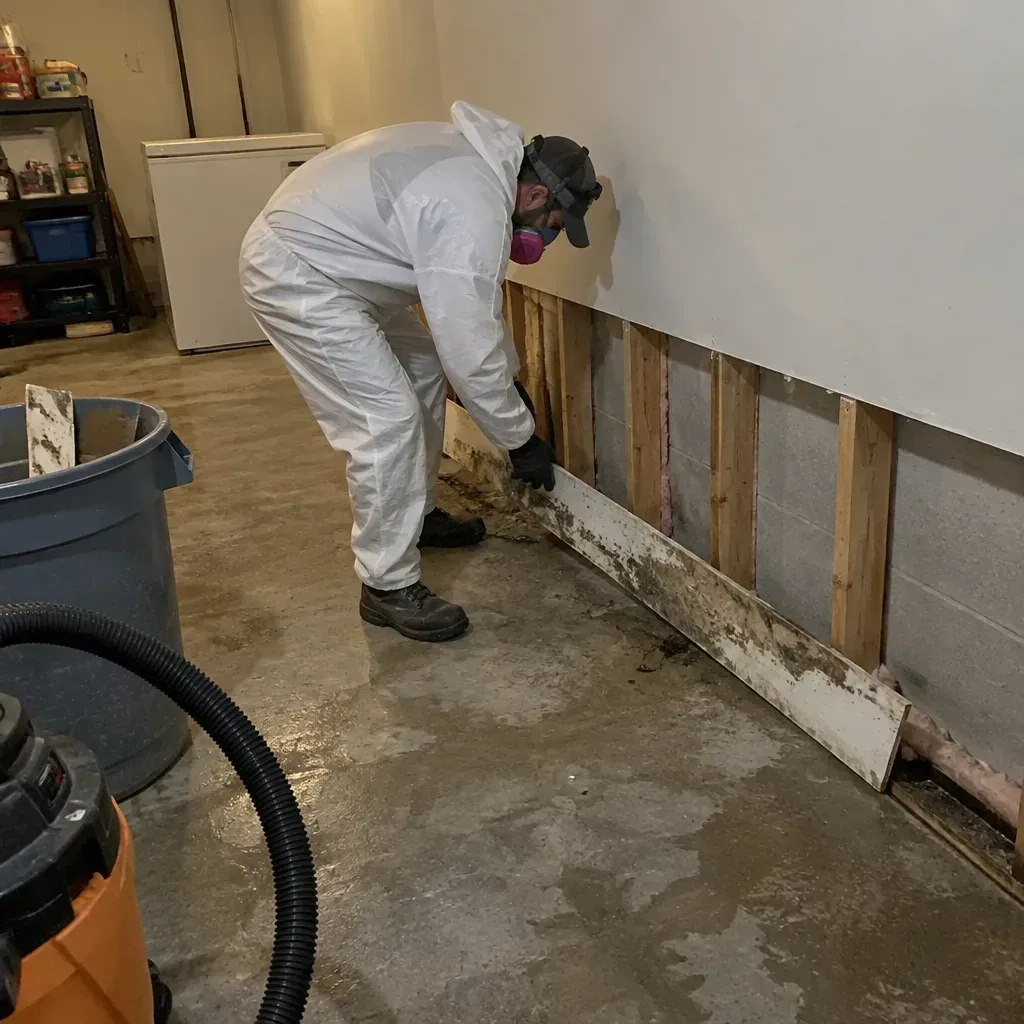
After a sewer backup, cleanup addresses sewage inside the building. The affected space is separated, wastewater removed, and materials that cannot be safely cleaned may be taken out. Remaining surfaces are washed and disinfected, odors treated, and damp building materials dried. Keeping the affected area contained helps prevent sewage contamination from spreading to nearby rooms.
Separate pages explain the cleanup process, how sewage can move through a building, damage that may persist when wet materials remain, and factors that shape restoration estimates in Lawrence. Planning estimates for cleanup tasks can be found in the pricing guide.
Step by Step
Each Stage of Cleanup
Need to Know
Common Questions
Which absorbent materials may need to come out after sewage exposure?
Removal is considered when sewage reaches material that absorbs it and cleaning cannot adequately treat contamination held within it. Other affected materials may be suitable for cleaning and disinfection. In Lawrence, the assessment follows where wastewater traveled and checks each material’s condition, so the decision reflects both the extent of contamination and what treatment the material can take.
How is a cleanable surface distinguished from damaged material?
The review considers the material, how deeply it was affected, and whether its condition allows effective cleaning. A surface that looks intact may still have damage or contamination within it. In Lawrence, the pros we connect you with use those findings to sort materials for removal, cleaning, or drying; the right step depends on what the assessment finds, not appearance alone.
What does disinfection address once a surface has been cleaned?
Cleaning removes visible sewage and residue from surfaces that are suitable to keep. Disinfection then treats those cleaned surfaces for contamination that may remain; it cannot make every heavily affected material suitable to retain. In Lawrence, the work plan follows the assessment of each surface. Keep used cleaning materials away from surfaces that have already been cleaned.
Why does cleanup continue with drying after sewage removal?
Disinfection addresses contamination on surfaces; drying addresses moisture in affected parts of the structure. A surface that has been treated does not show whether the structure has dried. In Lawrence, drying is part of the cleanup scope so moisture left after extraction and surface work is addressed as well.
Request Help
Not sure which area was affected?
Tell the pros we connect you with what the backup reached. Ask about assessment and visit charges, scheduling, the written work scope, and any warranty terms, then confirm those details directly.
Call (978) 501-8011