Cleanup Problems
What Happens After a Sewer Backup in Lawrence, MA
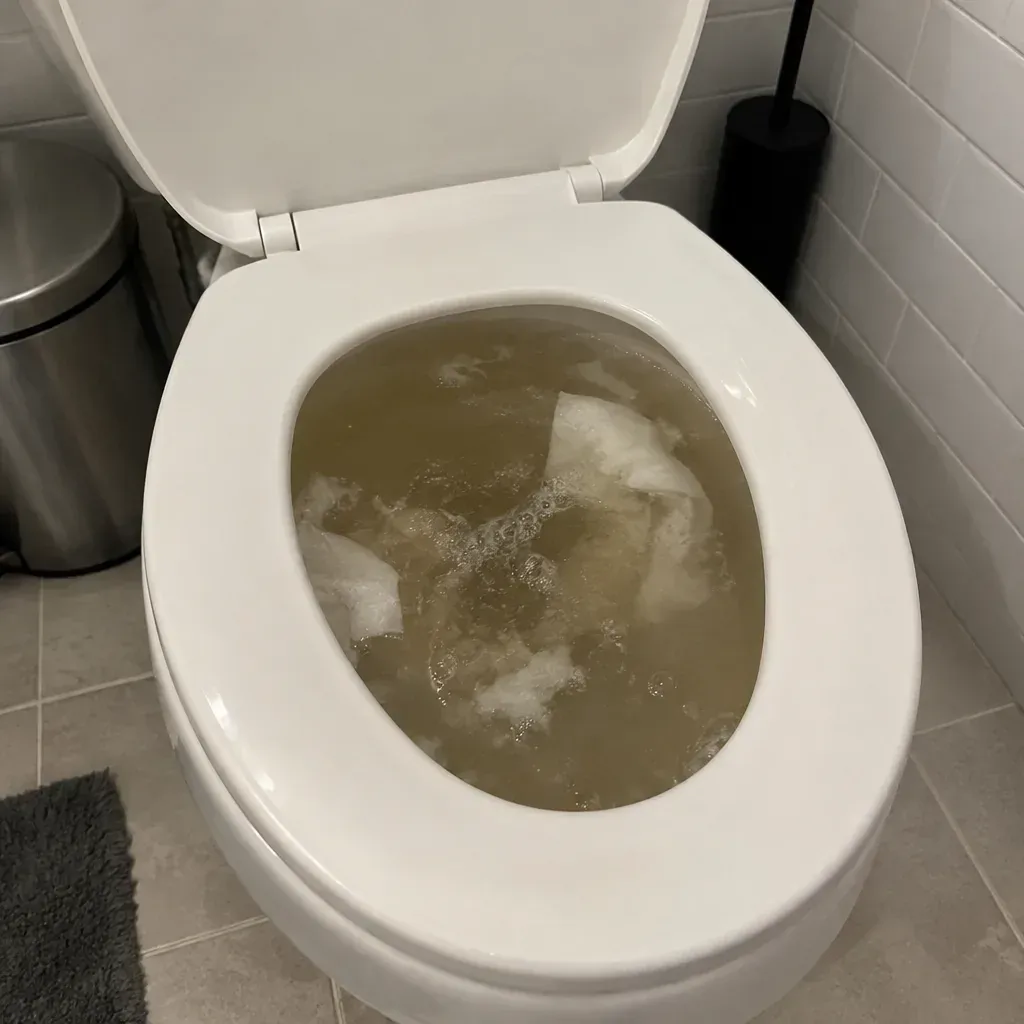
Slow drains, gurgling fixtures, foul odors, or wastewater returning through a floor drain can signal a sewer problem, but none alone identifies the blockage or the full cleanup boundary. A plumber or utility investigates the source; cleanup addresses sewage and the materials it reached indoors. In Lawrence, citywide records describe sanitary and combined sewers, yet those records cannot confirm a property's connection. Keep people and pets away from suspected sewage and share the affected rooms and surfaces with the pros we connect you with.
CLEANUP SEQUENCE
Review the cleanup issues that may arise after sewage enters a building in Lawrence and the surrounding Essex communities. Ask what to do with belongings that cannot be cleaned during the work. Cost guidance appears on the pricing guide.
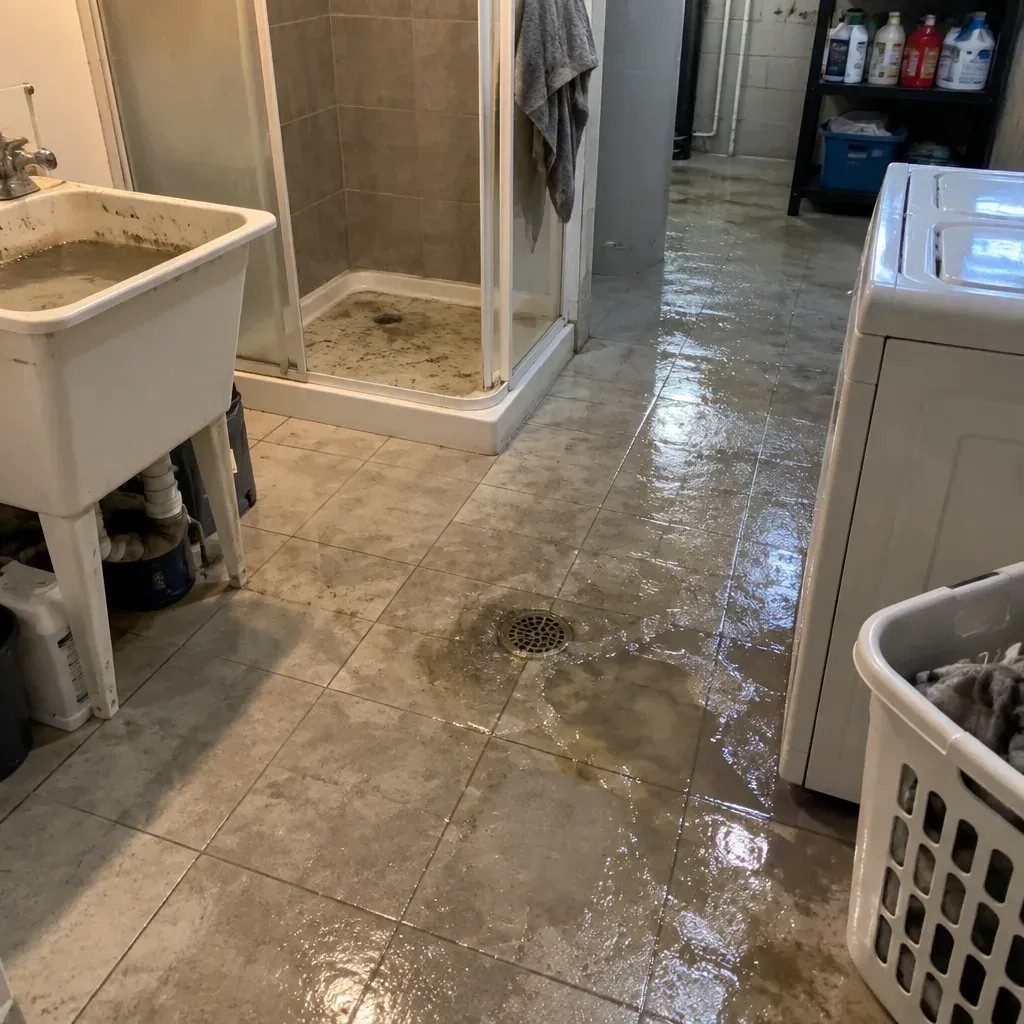
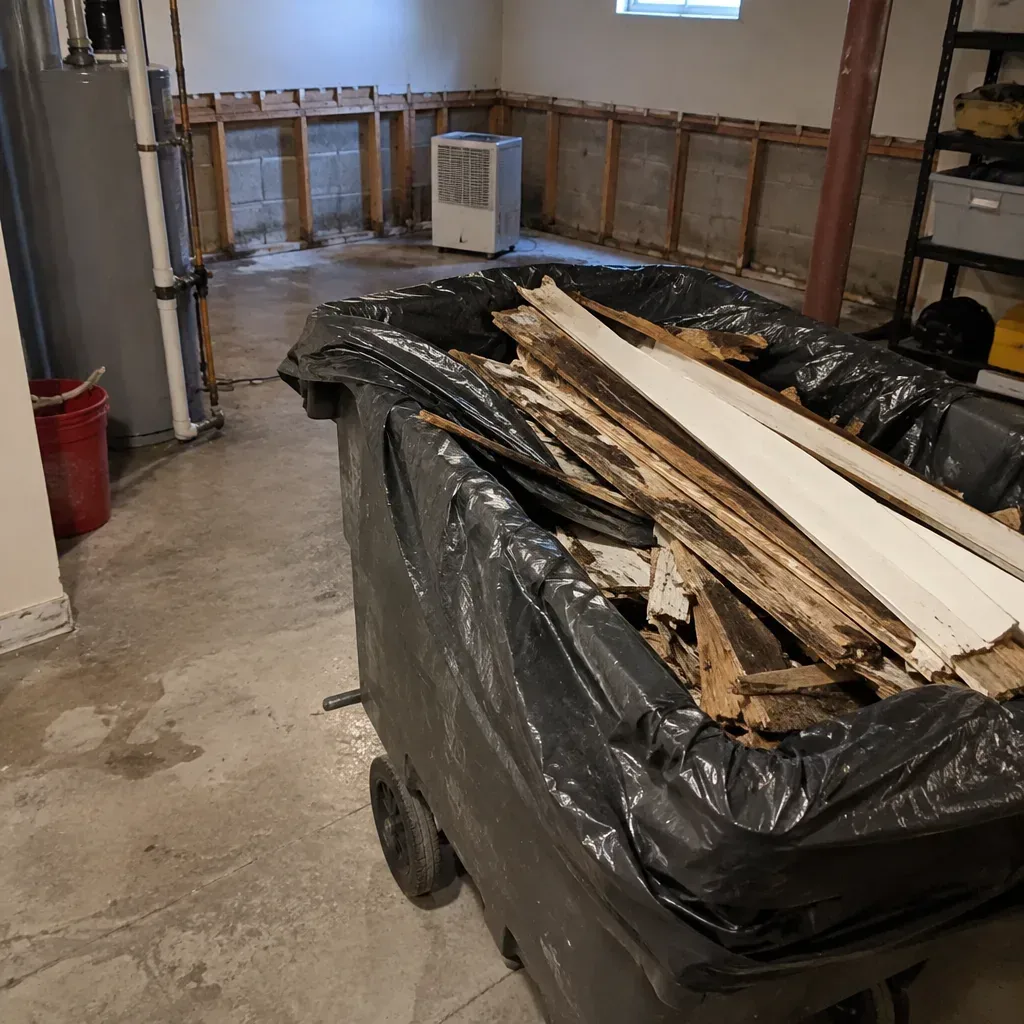
Cleanup can limit movement between the affected room and clean spaces, extract sewage, and address residue on surfaces. Absorbent items exposed to sewage may need to go; remaining affected surfaces are cleaned and disinfected, lingering odor is treated, and wet building materials are dried. Moisture can remain below flooring or behind trim after standing water is gone. A damp subfloor can keep nearby framing wet and delay repairs even after the visible surfaces dry. If sewage returns, the source needs attention; line evaluation and repair belong in plumbing work.
Backup Situations
Contamination Spread
Need to Know
Common Questions
I found sewage inside my Lawrence home; where should I start reading?
If wastewater or water you suspect is sewage is indoors, open the sewer backup cleanup topic first, then follow the damage heading that matches the room or material you found. Lawrence publishes system-level sewer information, but that cannot establish what serves your address. Sewage contact can affect indoor surfaces, so note which materials were exposed as you review cleanup guidance.
What indoor signs point me to sewer backup cleanup information?
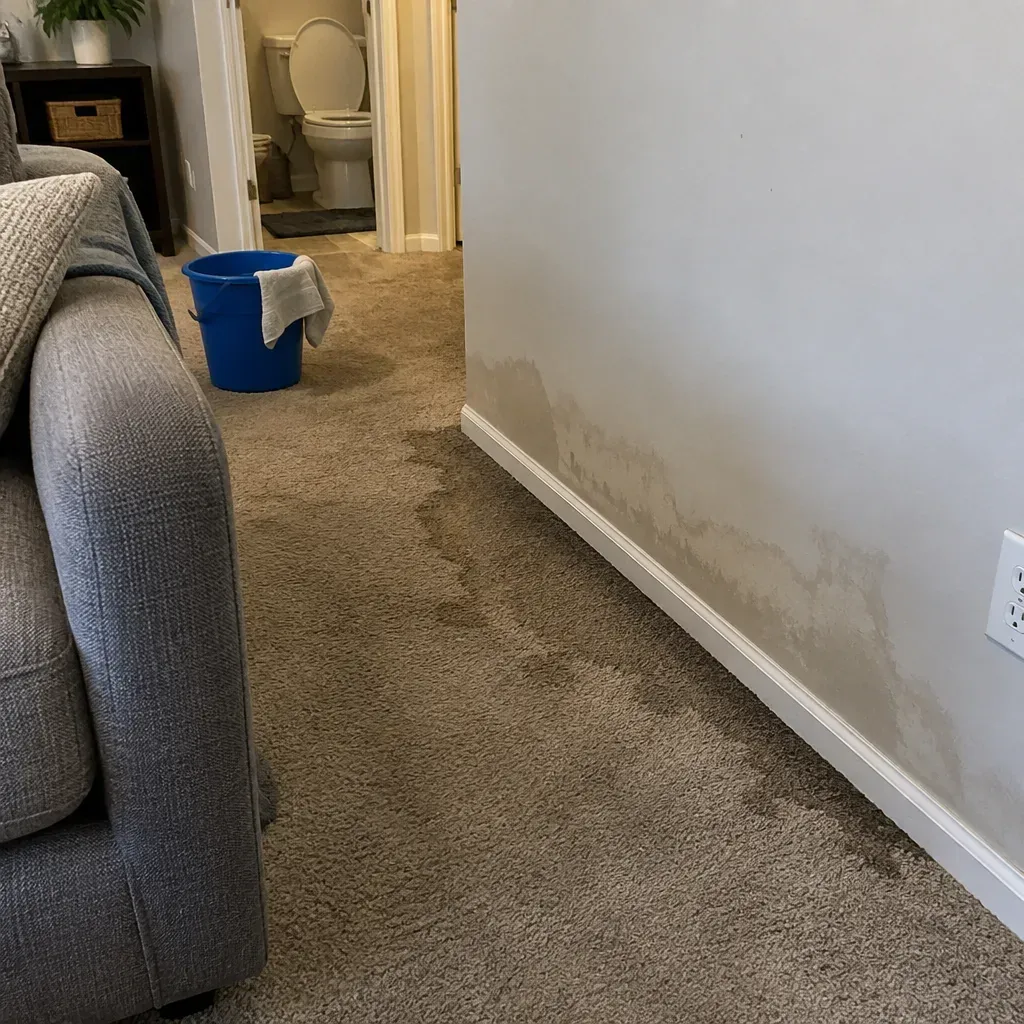
Sewage residue, wastewater coming up through a drain or toilet, damp or discolored flooring or lower walls, and a lingering odor can point you toward cleanup and material-damage topics. These signs help you choose what to read; they do not identify where a blockage is or prove which part of the sewer system is involved. In Lawrence, match the topic to what you can observe indoors.
How does sewer backup cleanup differ from diagnosing a plumbing problem?
Contact a plumber when you need to locate a blockage, check a sewer line, or repair the source of the backup. Cleanup information concerns sewage contamination and resulting building damage; it cannot diagnose the pipe. A plumber can inspect the line itself, while cleanup guidance covers contamination and damage inside the building.
Request Help
Follow Sewage From Entry to Materials
A sewage smell or residue in a Lawrence building is a prompt to locate the affected rooms and identify what the sewage may have touched; it does not by itself show the full extent of contamination. Keep people and pets out, then ask for an assessment of floor coverings, wall materials, and belongings. Mention whether the odor is strongest near a drain or fixture to help describe where it appeared. Confirm availability, any visit charge, and the written scope before work proceeds.
Call (978) 501-8011