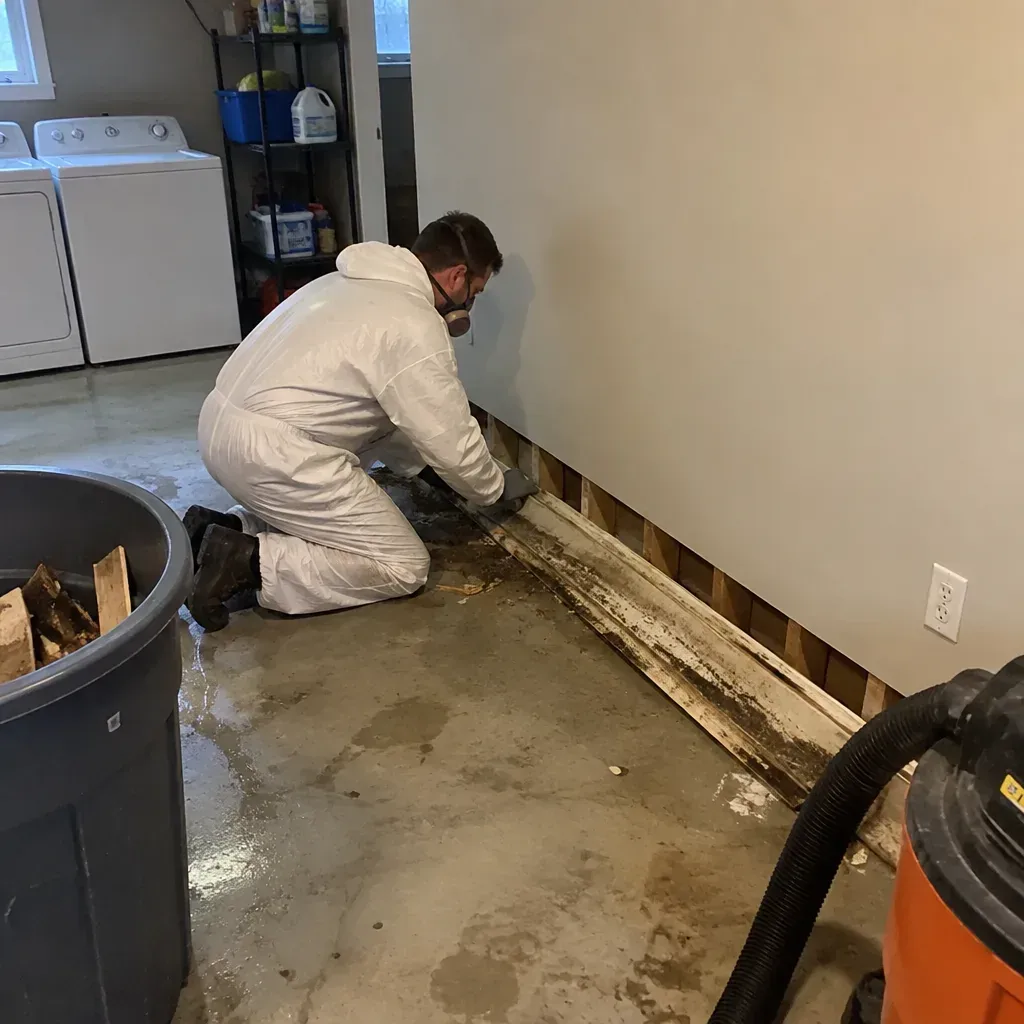
Assess Sewage-Exposed Belongings in Lawrence
A storm-related sewer overflow describes wastewater leaving the sewer system during storm conditions, a detail about system operation.
Mark whether sewage exposure was observed or only suspected so later review can distinguish evidence from uncertainty. Link photos and container labels to its inventory entry, then document cleaning, storage, or disposal decisions and the reasons for them.
Start With Seasonal Exposure Context
After a wet-weather backup, start by noting which belongings were in the affected rooms before anything is moved. In Lawrence, stormwater entering combined sewers can contribute to overflows, but citywide information cannot tell you what reached a particular home. Record the date you noticed the problem, the room, and whether contact with sewage was seen or only suspected. This first pass preserves the scene’s context; later, you can compare each item’s location with the affected area and decide what needs closer review.
Next, consider how each belonging is built. A sealed, smooth surface may be easier to clean than an object with fabric, foam, unfinished wood, or narrow joints that can retain contamination. In Lawrence, belongings exposed during a storm-related event still need individual review; the season does not determine whether an item can be saved. Note materials you can identify and parts you cannot see. Sewage contents cleaning may suit some hard items, while porous or inaccessible sections can limit what cleaning can accomplish.
Lawrence’s wastewater information describes combined and sanitary sewer infrastructure and storm-related overflows. That system context does not show whether sewage entered a specific property or identify the contents of a particular room. A home’s position near the Merrimack River, Great Stone Dam, or Essex Art Center is not evidence of a backup. Use the conditions you observe inside the home to guide the belongings record, and keep local weather or public sewer information as background rather than a substitute for item-level assessment.
Check Contact and Material Limits
Once the area has been assessed, make an inventory before belongings leave their original rooms. Give each entry a clear description and note its location, material, observed condition, and exposure status: seen, suspected, or uncertain. For a set of similar items, define the group precisely so another reader can tell what it includes. In Lawrence, a dated record also helps distinguish observations made during the initial review from later decisions about cleaning, storage, or disposal.
Describe visible evidence in neutral terms: residue, staining, dampness, a changed finish, or no obvious mark. A clean-looking exterior does not establish that seams or interior layers were untouched, so note any inaccessible areas without guessing what lies inside. Take photographs that show both the whole object and relevant details, then connect each image to its inventory entry. If you revisit an item after conditions change, add a dated note instead of replacing the earlier observation.
During a sewage damage packout, keep each container’s identity tied to the belongings recorded inside it. Mark the source room, contents or inventory references, and whether the items await review, cleaning, or another decision. If a container holds a defined group, make that group clear in the record. Lawrence’s seasonal wet-weather concerns do not change this basic chain of information: as items move out of a room, their original location should remain easy to recover from the paperwork.
Inventory Items Before Packout
Cleaning decisions depend on the affected parts, not just an item’s outer appearance. Some nonporous belongings may be candidates for cleaning and disinfection; materials that absorb sewage or cannot be reached may not be reliably restored by surface treatment alone. Record the decision for each item and the reason behind it, including any limits in what could be examined. This gives you a practical basis for later review without treating every belonging from one room as having the same outcome.
If belongings are held while a decision is pending, record the storage location and keep their status current. Separate items awaiting review from those already assessed, so a later handler does not mistake a temporary hold for approval to return them to use. When cleaning is completed, add what was done and the date to the corresponding entry. That history helps show how a belonging moved from initial assessment through its next handling step, even if the process spans changing weather conditions.
Track Cleaning and Disposal Decisions
When belongings are recorded as a group, describe the shared traits that make clear which items belong together. Add photographs where useful and note when the decision was made. In Lawrence, keep the record tied to what was observed at the property; citywide storm or sewer information cannot establish the condition of a specific belonging. A clear disposal note preserves the basis for the decision if questions arise during later review.
Bring the inventory, dated observations, linked photographs, packout labels, storage notes, cleaning records, and disposal decisions into one file. Organize it so a reader can move from an item’s original room to its current status without relying on memory. Keep weather notes separate from findings about the belongings themselves. If you also record a timeline of the event and cleanup steps, you can see how conditions and handling changed without treating seasonal context as proof of what happened indoors.
Belongings Records Through Packout
- Before packout, separate hard-surface belongings that can be cleaned from absorbent pieces that may retain contamination beyond what cleaning can address; keep groups apart and preserve disposal notes for items that cannot be salvaged.
- Connect container labels to inventory entries; record contents, storage location, and whether review or cleaning is pending.
- For disposal, save the item’s condition, exposure concern, decision reason, date, and related photographs.
- If wet weather coincides with a suspected backup, note which rooms held affected items and when you first noticed them; citywide overflow reports do not confirm household exposure.
- Place belongings awaiting a decision in closed, suitable containers, apart from items cleared for return; keep labels visible while containers are held.
- For items designated for disposal, photograph identifying details and keep the decision note or disposal receipt with the corresponding inventory entry.
Common Questions
Does wet weather change how I assess sewage-exposed belongings?
Some hard, nonporous belongings may be suitable for sewage contents cleaning when affected surfaces can be reached and treated. Fabric, foam, unfinished sections, and hidden spaces can retain contamination, limiting cleaning. Record visible conditions and parts you could not inspect, then document the decision and any cleaning performed for each item.
What should I record before an item is packed for cleaning?
List each belonging or clearly defined group with a description, original room, material, visible condition, and whether sewage contact was observed, suspected, or uncertain. Link photos to the entry and add dates to later findings or decisions. This keeps the item’s history clear as it is moved or reviewed.
How do I document belongings that cannot be cleaned?
Mark each container with its source room, contents or inventory references, and current handling status. Record its storage location in the matching inventory entry, then update that entry after cleaning or another decision. This helps prevent a pending item from being treated as ready for return.
Prepare the Belongings Record
Ask the pros we connect you with to review your Lawrence inventory alongside each item's exposure, condition, destination, and cleaning or disposal record.
Call (978) 501-8011