What Shapes the Cleanup Timeline
In Lawrence, ask the provider to map the cleanup timeline by stage before estimating how long the work may take. Sewage removal, treatment of affected surfaces, and structural drying each have a different endpoint, so one finish date can hide what is still underway. A crew may complete visible cleaning while materials continue to dry. Ask which tasks apply at your property, what tells them each task is complete, and when they will update the schedule if conditions change.
A calendar from another job is a poor guide to your Lawrence home. Someone discussing a separate cleanup near Lowell Visitor Center, along Concord River, or by Horn Pond Reservation may face a different set of rooms and materials. Those place names say nothing about the work inside your house. Ask the pros we connect you with to describe your own sequence and flag any step that depends on what they uncover as work proceeds.
Assessment and Sewage Removal
A written scope can help you compare the planned tasks with any changes the assessment turns up. That map gives you a clearer sense of the work than the visible puddle alone. Extraction follows to remove contaminated water and debris. Ask whether the estimate includes each affected room and what findings would prompt a revised work plan before cleaning begins.
Material removal can change the order of work in a Lawrence property. Sewage may soak into porous items or finishes that cannot be adequately cleaned, and taking them out can reveal surfaces that still need treatment. Opening concealed layers can uncover additional affected material after the first visible surfaces are cleared. That conversation helps you understand why the schedule may shift after extraction, even when the original affected area looked small.
Cleaning, Disinfection, and Odor
After removal, cleaning and disinfection take time because affected surfaces need suitable treatment, not just a quick wipe. In Lawrence, ask which surfaces will be cleaned, what disinfectant directions govern its use, and how the provider accounts for the required contact time. This helps you see what the treatment stage includes and why it cannot be timed from the moment sewage is extracted alone. The work plan should distinguish cleaning from the later drying process.
Odor treatment may add work if smells persist after contaminated material is removed and surfaces are treated. For a Lawrence cleanup, ask whether the provider expects this step and what condition would make it necessary; it may follow the main cleaning rather than happen alongside it. That distinction helps explain a schedule that continues after the visible source of odor is gone. Odor control is one part of the sequence, not a substitute for cleaning and disinfection.
Structural Drying and Schedule Changes
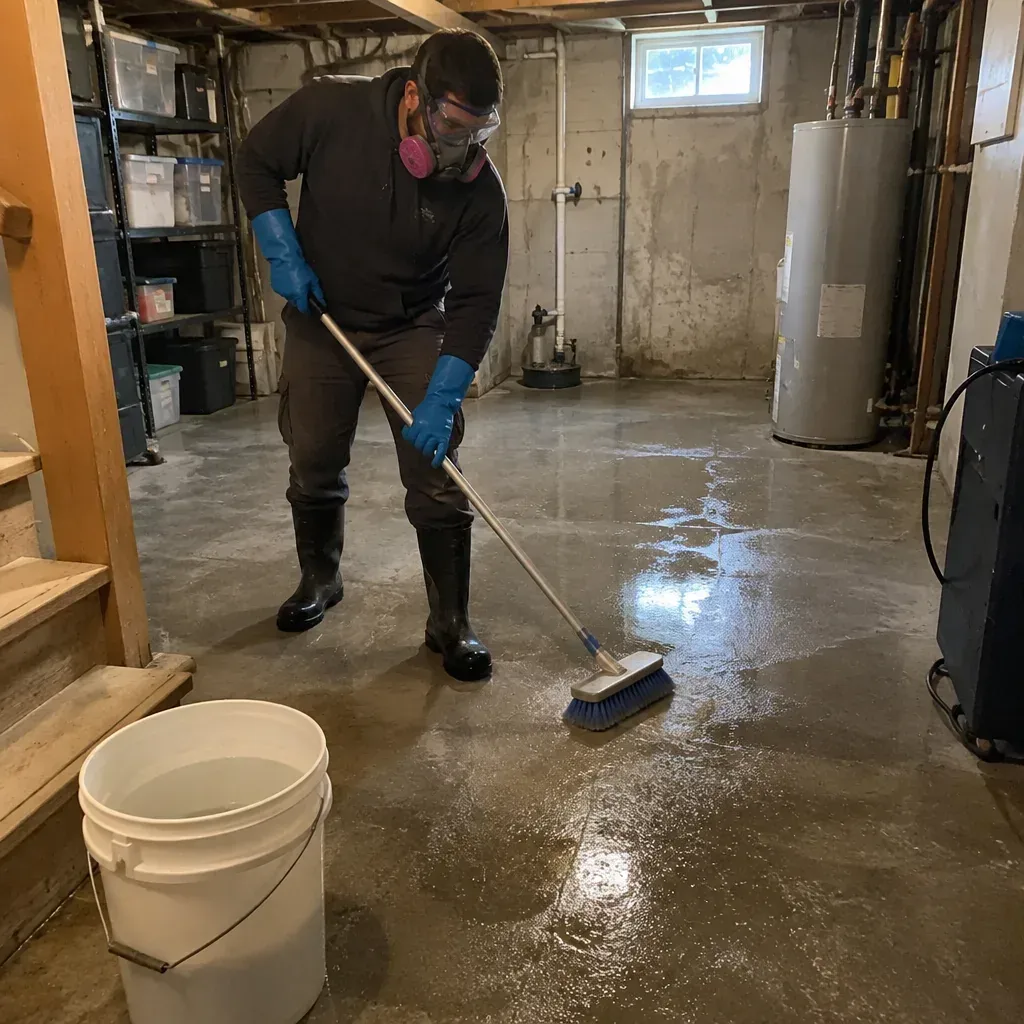
Drying can be the longest open part of a Lawrence cleanup timeline because moisture can linger inside floors, walls, and other building materials after the surface looks clean. The provider may use drying equipment and check affected materials as they progress. Ask what they are monitoring and how those checks shape the projected finish. This gives you a practical update point: visible work may be complete while the structure still needs attention to reduce remaining moisture.
Several separate findings can extend a Lawrence job: contamination in additional rooms, absorbent materials that need removal, or building components that take longer to dry. Surface treatment follows removal of contaminated debris and materials, before drying work is finished. Ask the provider which conditions are included in the current schedule and which would trigger a new estimate of the remaining work.
Dealing with a sewer backup in your home?
After a backup in Lawrence, keep people and pets out, then note affected rooms and materials from a safe, dry spot. Citywide sewer information or landmarks such as Horn Pond Reservation and Forest Park cannot show your home’s connection or explain the cause. Ask the pros we connect you with whether they serve your address, what cleanup may involve, when a visit might be available, and whether an assessment has a charge. They can discuss sewage removal, material decisions, cleaning, disinfection, and drying. Have a plumber diagnose and repair the source; ask a qualified provider to assess the cleanup scope safely.