What To Record After a Backup
A home's lowest drains and plumbing openings can shape where sewage first appears indoors. Wet-weather stormwater can strain combined system capacity, but citywide descriptions do not tell you how a particular home is connected or why a backup occurred.
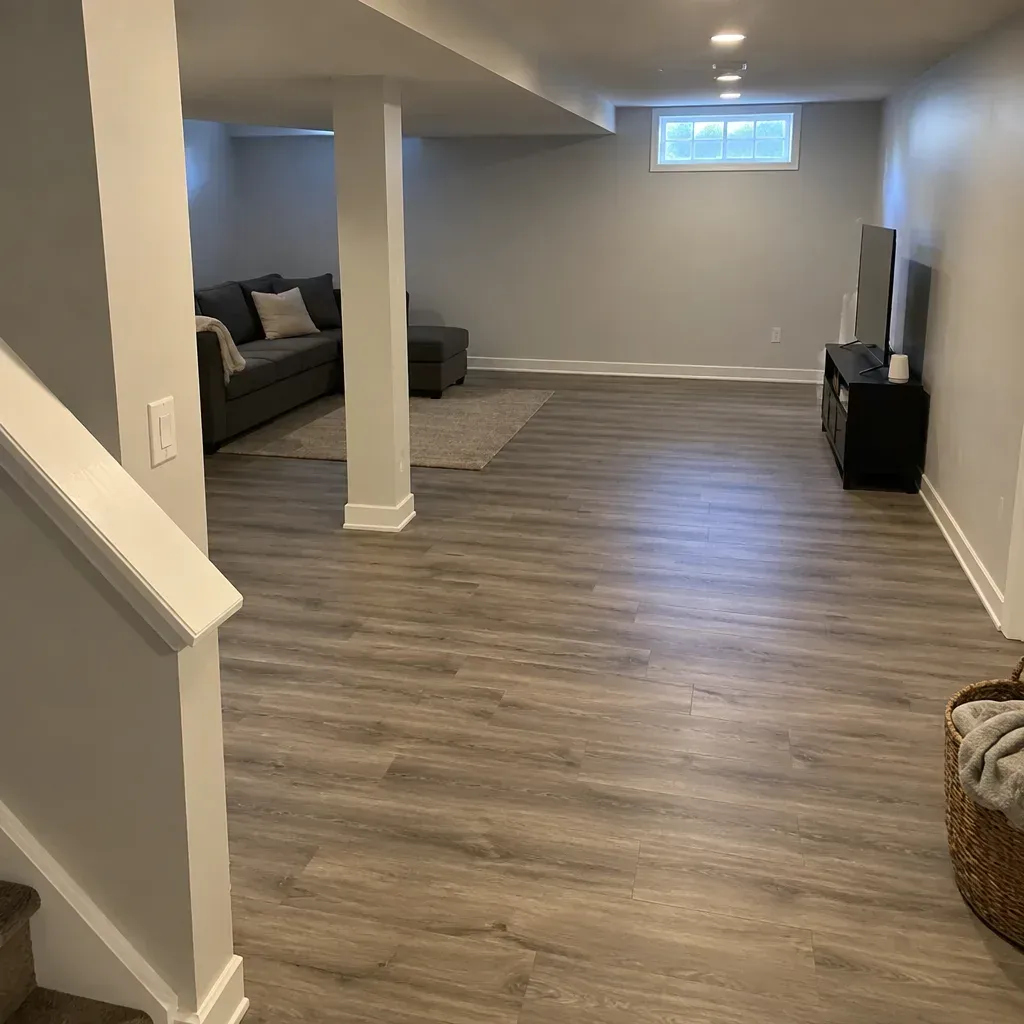
A basement's finished walls and stored belongings can affect the scope of cleanup after a backup. Those place names provide context for the city; they cannot establish a home’s sewer connection, backup history, or insurance eligibility.
A Lawrence mailing address does not establish whether a cleanup provider serves the property, and county lines may not match service areas. Share the building’s location with the pros we connect you with so they can check availability before discussing the affected interior.
Cleaning and Disinfecting Surfaces
- BACKUP ADD-ON
- A sewer or drain backup endorsement may extend coverage to eligible cleanup work; exclusions and wording still shape review.
- POLICY LIMIT
- An itemized scope can distinguish cleanup labor from materials proposed for removal or repair.
- COVERED WORK
- The endorsement limit and policy deductible affect how much of an eligible loss may be considered.
- DEDUCTIBLE
- Lawrence documents combined sewer infrastructure and storm-related overflows, without establishing an individual home's sewer connection.
- CLAIM NOTES
- Keep itemized cleanup invoices, room notes, and material photos together so the insurer can compare the billed work with the damage described in your claim.
- Network Context
- Wet weather can add stormwater to Lawrence’s combined sewers and strain system capacity, but rain alone does not show what caused a household loss. Record when the incident occurred and ask the insurer how the reported source fits the policy wording.
- CLEANING PLAN
- an estimated $2,700–$6,800
When Rainwater Finds Another Route
Flood insurance covers a different policy category from sewer backup insurance. The two can be confused when water is found indoors, but the reported source and policy wording guide which coverage the insurer reviews. Compare the reported entry point with the policy sections for sewer or drain backup and flood. A rainfall event alone does not establish which section applies. Tell the insurer what was observed and where it entered, then ask how the policy classifies that source.
Separating Indoor Restoration From Line Repair
The pros we connect you with first mark the affected work area and separate it from cleaner parts of the building. They assess which materials need removal, then extract sewage and record the areas included in the proposed cleanup scope.
After extraction and material removal, the crew cleans and disinfects remaining affected surfaces, following product label directions and contact times. They then dry structural materials and may address lingering odor; the estimate can show these as separate tasks for claim review.
First confirm the discharge has ended; cleanup cannot close out while new wastewater is arriving. A limited, reachable area may be cleared in one visit when affected contents and surfaces can be treated and moisture checked. Material removal or continued drying can extend the plan. Restoring the sewer line is separate plumbing work.
WHERE CONTAMINATION WORK ENDS AND BUILDING TASKS BEGIN
| Material Disposition |
Check Drying Progress |
|---|
| Brief overflow, contents largely spared | Sewage extraction |
| Wastewater traces resurfacing after cleanup | Structural drying |
| Contamination crosses contents and finish layers | Lift sewage waste; remove affected items, sanitize, dry |
ROOM SAFEGUARDSKeep damaged items available for review until the carrier explains its requirements. For a Lawrence claim, request an itemized invoice that distinguishes sewage removal, damaged-material disposal, surface work, odor treatment, and drying. Save the invoice with claim notes and photos; place names such as Lowell National Historical Park and Concord River do not establish policy coverage.
Moisture Left Within Room Materials
When sewage reaches absorbent flooring or wall components, contamination may extend beyond the surface and moisture can remain in the structure. The cleanup scope may then include removing affected material, treating what remains, and drying building components, with those tasks described separately for claim review.
Protect People and Pets From Sewage
From a dry, unaffected place, read the declarations and sewer or drain backup endorsement. Note the limit, deductible, exclusions, and any instructions for reporting a claim. Take photos only from a safe location, and leave sewage or affected materials undisturbed; ask the insurer and cleanup provider how to proceed with documentation.
Safer Conditions During Cleanup Work
Sewage exposure is a household health hazard, not merely an odor concern. In Lawrence, household safety depends on keeping the affected space apart from clean living areas until a cleanup assessment determines its condition. A location label such as Plug Pond cannot tell you whether a particular home was affected; only conditions at that address can. If contamination remains, the area is not ready for normal use.
How Long Must Building Materials Dry?
Have the pros we connect you with explain how contamination spread, what can stay in place, and which cleaning and drying tasks shape the written scope.In Lawrence, the guide range covers cleanup when sewage reaches absorbent materials that may need removal; assessment determines what must come out before remaining surfaces are disinfected and dried. It excludes sewer-line diagnosis or repair. Confirm any visit charge and the written scope for affected areas with the pros we connect you with before arranging cleanup.Check the pricing guide for complete cleanup ranges and details that can change the work.