Where Contamination Can Travel
In Lawrence’s older service areas, some pipes carry stormwater and sewage together, so heavy rain can add flow to that shared system and contribute to overflows. Ask the licensed pros we connect you with to look for signs of a sewer backup inside the home.
A property near the Merrimack River or Little River still needs an address-specific check to establish its sewer connection. River location alone cannot show whether a building uses a combined or sanitary system, or what caused sewage to appear indoors.
Across Lawrence and Essex, some calls may come after wet weather, when stormwater adds pressure to combined sewers in older parts of Lawrence. A municipal overflow is a system event; by itself, it does not tell you whether sewage entered a particular building.
Drying Affected Building Materials
- KEEP OUT
- Do not use affected fixtures to test whether the backup has cleared; note what happened and tell the plumber.
- POWER
- If electrical equipment may have been reached, stay out and do not operate it from the affected space.
- NOTES
- Photos and a room-by-room list can show where sewage appeared and which visible materials may be affected.
- CALLS
- Cleanup addresses contamination indoors; a plumber investigates and repairs the source in the drain or sewer line.
- SOURCE
- The licensed pros we connect you with can help identify which affected surfaces need cleaning.
- Material Review
- Wet weather can send stormwater into combined sewers and strain system capacity, according to MassDEP. A blockage in a private drain line is another possible source of a backup. Whatever the season, note which fixtures were involved and have a plumber investigate the source.
- SEWAGE REMOVAL
- an estimated $2,700–$6,800
Clues From a Household Pipe Leak
Sewer-line repair changes the pipe or clears its obstruction; sewage backup extraction deals with wastewater already inside. Because plumbing work and indoor cleanup may happen during the same response, the two services can sound like one job. Compare the written scopes. Cleanup should describe work inside the building, such as sewage removal and treatment of affected materials. A plumbing scope should identify investigation or repair of the drain or sewer source. Ask for separate descriptions if both kinds of work are needed.
Keeping Cleanup Work Within Its Boundary
A plumber traces the backup from affected fixtures toward the building drain, then checks the accessible line for a blockage or break and clears or repairs the source. Separately, the pros we connect you with isolate the contaminated space, extract sewage, remove unsalvageable materials, disinfect remaining surfaces, and dry damp structure.
The work may also include sorting affected contents for cleaning or disposal. The structure is then dried, with moisture checks guiding where more drying is needed. A plumber separately diagnoses the blockage or sewer line and handles repairs to the source.
Use the first visit to establish whether wastewater has stopped coming in and how far contamination traveled. A small, accessible area may be completed in one visit; soaked building layers or lingering moisture call for removal or drying follow-through. Cleanup treats indoor damage, while sewer-line correction is plumbing work.
THE LINE BETWEEN CLEANING AFFECTED AREAS AND REPAIR
| Sewage Extraction |
Record Damage Details |
|---|
| Shallow intrusion, minor finish damage | Surface disinfection |
| Sewage residue returning on treated surfaces | Surface disinfection |
| Backup residue leaves no clear clean boundary | Extract sewage, clear tainted contents, disinfect, dry |
WASTE AND SURFACESMassachusetts issues no state credential specifically for sewage cleanup. Ask the licensed pros we connect you with to explain their cleanup process before work begins. MassDEP advises protective precautions around sewage; ask the local sewer authority before installing a backwater valve.
Interior Surfaces After Sewage Contact
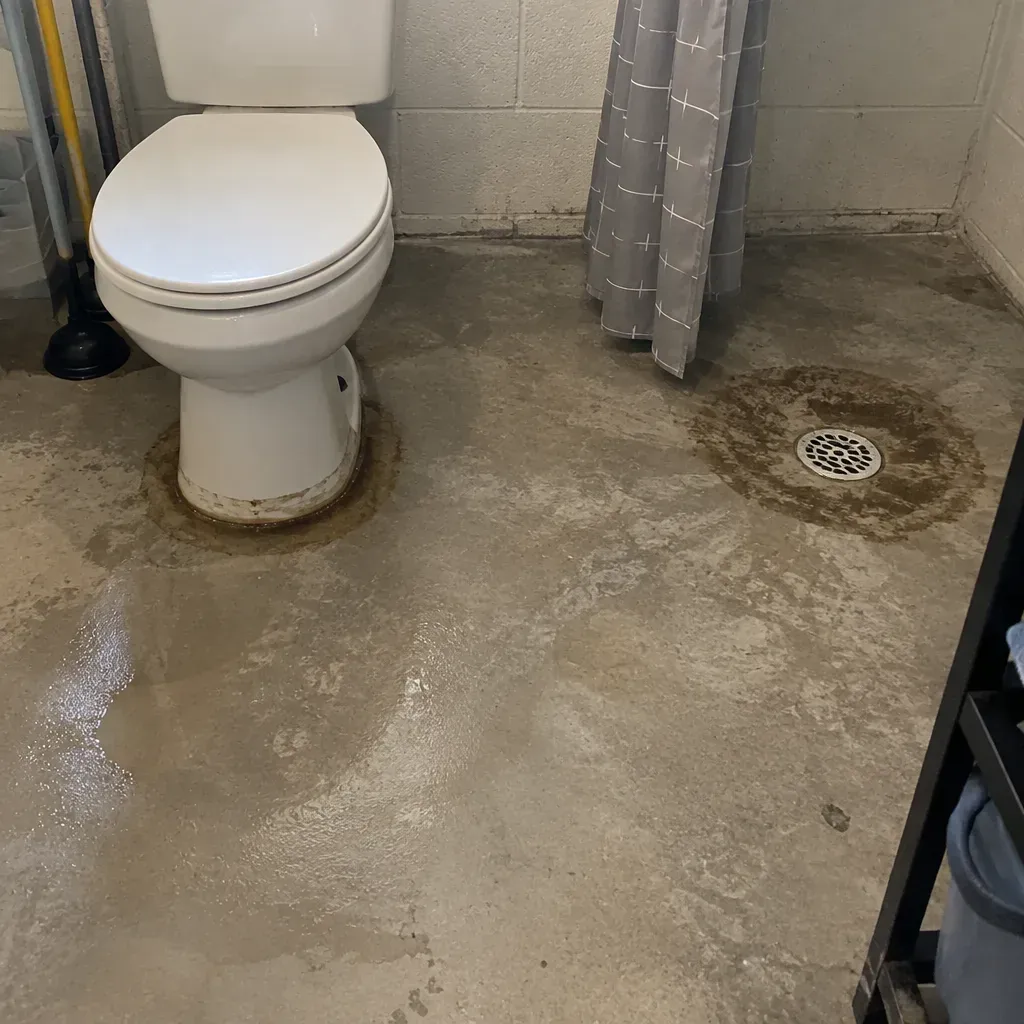
When sewage remains against absorbent flooring, trim, or wall material, it can soak beyond the visible spill. Stored belongings near the affected materials may also need review during the damage assessment. The amount and type of affected material shape the cleanup work and cost.
Check Before Changing Sewer Flow Controls
From a dry area, you can keep others away, note which fixtures were involved, and photograph visible damage without entering the affected space. Do not handle sewage, wet belongings, or electrical equipment there. Leave assessment and cleanup of contaminated materials to cleanup professionals, and source diagnosis or sewer repairs to a plumber.
Health Concerns After Sewage Contact
Treat sewage in a building as a hazard. Close the door to affected rooms if you can do so without entering them. If you cannot reach the room without contact, leave it for the cleanup assessment. Do not start cleanup yourself where sewage or damp materials remain.
What Must Be Isolated Before Work Starts?
Request a written estimate linking the cleanup area and disposal decisions to surface treatment, odor work, and how much building material needs drying.In Lawrence, the guide range covers cleanup when sewage reaches absorbent materials that may need removal; assessment determines what must come out before remaining surfaces are disinfected and dried. It excludes sewer-line diagnosis or repair. Confirm any visit charge and the written scope for affected areas with the pros we connect you with before arranging cleanup.Check the pricing guide for complete cleanup ranges and details that can change the work.